


DK Print World
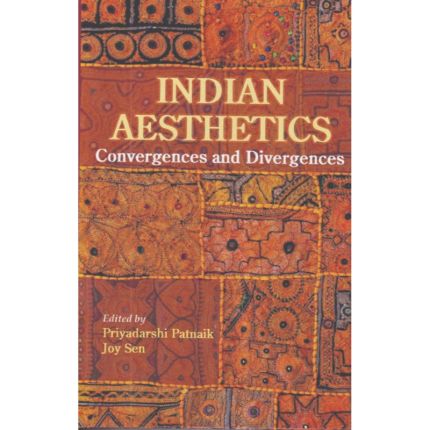
Indian Aesthetics
Indian aesthetics encompasses traditions and texts that focus on literary, visual, structural and performative productions of a wide range of art forms that delight, entertain, provoke their audience in ways that are relevant to the life. These art forms result in various responses such as delight, emotional relish, and enjoyment. In their convergence with other arts, different Indian art forms, be it cinema, dance, drama, music, literature or sculpture, have practised a ''give and take'' policy all through their history.

Indian Philosophical Wisdom
The title of the book Indian Philosophical Wisdom: some Glimpses itself signifies its importance. Ineed, Philosophy is involved in every sphere of human life - literature, creative art, culture, etc. The author in her zeal to unravel the precious accumulated wisdom of Indian Philosophy delved in its treasure with different approaches - historical, analytical, comparative, etc. An attempt has been made in this book to expound Indian Philosophical systems and to analyse critically their logical implications.

Indian Philosophy and Religion

Integrating Interdisciplinarity through Philosophy
The books delves into the idea and the philosophy of interdisciplinarity, and then unravels the genealogy, dynamics, and myriad configurations of the highly complex phenomenon. It goes on to assess impact, advantages and critical issues involved in interdisciplinarity, while outlining an Indian view of it. The book, thus, explores the conceptual connections, fundamental issues and intrinsic implications of a myriad variety of interdisciplinary study and research, within and beyond academia. The book also attempts to develop necessary theoretical perspectives and a broader conceptual framework in this connection.

Jainism Before 650 BCE
Ancient history of India reveals that there were two parallel traditions in India, viz. Vedic and Sramanic. The Sramana Tradition includes Jainism, Buddhism and others such as the Ajivikas and Ajnanas. Jain religious tradition is one of the oldest living religions of India. Historicity of 24th Tirthankara Mahavira in sixth century BCE is well established. The Jain records mention the name of 23 tirthankaras before Mahavira. Among them Parsvanatha was the 23rd and Neminatha was the 22nd.

Jnana-Yoga

Karma And Reincarnation
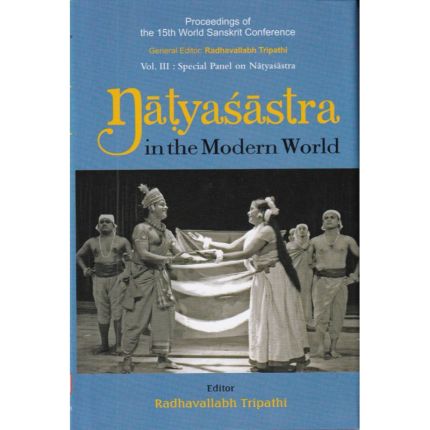
Natyasastra in the Modern World
This volume discusses in detail the divergent views on Natyasastra - its origin, concepts, philosophy, history, vrtti, impact on traditional stages, relevance in modern age and stage, and its applicability in post-modern stage. It also vividly talks about the interlinks between Natyasastra and the regional theatre forms with specific focus on south India. It therefore reinstates the fact that the regional theatric traditions have considerably contributed to the restructuring of Natyasastra texts.


Perspectives on The Origin of Indian Civilization
The earliest Indian inscriptions date from the third century before Christ. Archaeological and palaeo-anthropological evidence, as well as the Indian oral tradition, consistently point to the 'continuity' of the Indian Civilization back to a much earlier date. However, the question of the origin of Indian Civilization prior to that period remains open. There are three main schools of thought in this regard.

Rasa in Aesthetics
The Indian tradition of criticism is over two millennia. And its rasa theory has, from the begining, essentially influenced authors, connoisseurs and art critics alike. First expounded sometime between the 1st century BC and the 4th century AD in the eminet aesthetician, Bharata's Natyasastra, rasa theory deals with the 'emotive content' of a work of art- how it is depicted, inferred and transmitted. Dr. Patnaik's book is a unique effort that demonstrates, with diverse examples, the universality of this ancient theory and its applicability to modern Western classics.

Speaking of Dance
The book highlights how these time-honoured writing have contributed to the evolution of classical dancing in India. And, yet more significantly perhaps, the author ventures into a comparatively uncharted terrain seeking to explore the status of performing arts (including dance) in early Jain tradition. Focusing on the position of dancing in the contemporary cultural life of India, Mandakranta Bose shows how classical dance in India today has achived a creative blend of tradition and modernity, leading to a vigorous revival of a great heritage, a part of the larger effort towards 'nationalist rediscovery'.