


Rites and Customs
Dancing With Siva

Darsan Seeing The Divine Image in India
Hindu Dharma
This book presents its core essentials and their implictions for the current times and differentiates it from other religious traditions. It focuses more on its timeless aspects independent of the ebb and flow of history. In addition, it emphasizes Dharma's implications for a life centered on deep and universal spiritual quest.

Hindu Samskaras
The Hindu Samskaras give expression to aspirations and ideals of the Hindus. They aim at securing the welfare of the performer and developing his personality. They go back to a hoary antiquity. The Vedas, the Brahmanas, the Grhyasutras, the Dharmasutras, the Smrtis and other treatises describe the rites, ceremonies and customs here and there but they do not present them in their historical evolution.

How to Become a Hindu
In the Company of Gods

Kumbha Mela
Philosophical Foundation of Hinduism

Religions Of The World Hinduism
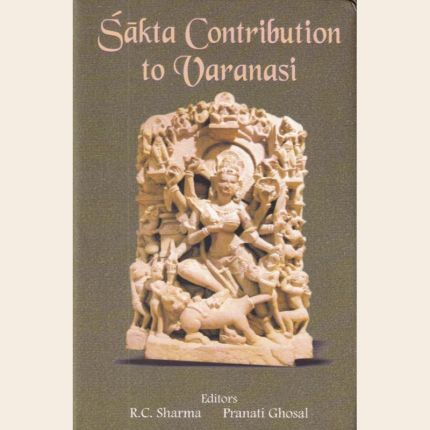
Sakta Contribution to Varanasi
This book incorporates a good number of paperrs on multiple aspects of Sakta traditions practised in Varanasi continuing from hoary past to-date. Beside philosophical, religious and cultural leanings the contents expose the iconographic, ritualistic and artistic rendering of the Divine Mother. Kasi or Varanasi has been a stronghold of religious and spiritual fervour, and several religious sects have contributed to its present texture. Saktism has also been a forceful current in the cultural stream of this holy city. This is evidenced by several Devi temples, Sakti-pithas, yantras, fairs and festivals associated with the worship of Mother-Goddess.

Subaltern Saints in India
The present era of complexity, anxiety and moral turpitude is in need of spiritual solace and God's grace more than ever before. The established frameworks of religion have not entirely been successful in streamlining the rapport between the marker and the creation. The emergence and progression of bhakti saints is a significant pointer in this direction. Living exemplary, realized lives on their own terms mostly in opposition to the given frame of life, the bhakti saints heralded a new possibility of the egalitarian order without any bigotry or dogmatism.