


Motilal Banarsidass Publishers Private Limited
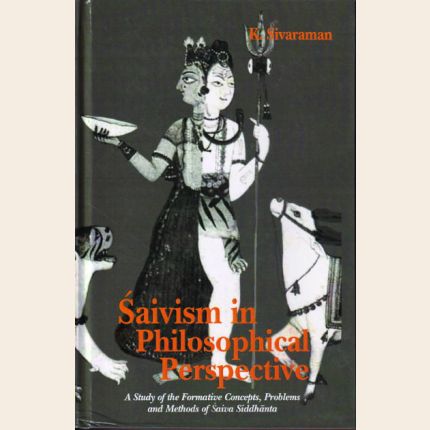
Saivism in Philosophical Perspective
₹1,595A Study of the Formative Concepts, Problems and Methods of Saiva Siddhanta.
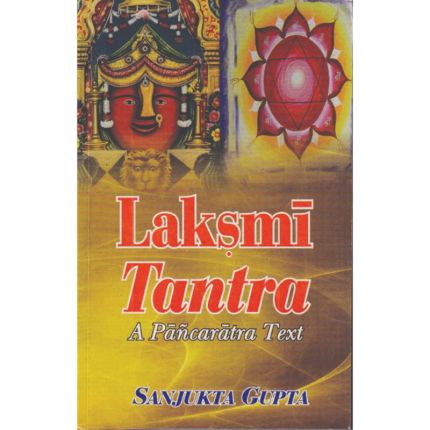
Laksmi Tantra
₹1,100Amongst the vast number of Pancaratra Agamas, the Laksmi Tantra stands out because of its almost exclusive treatment of the Visnuit mother-goddess Laksmi, the Sakti of Visnu-Narayana. The text not only glorifies Laksmi, but also women in general as beings created in the cherished form of Laksmi, and it advocates their worship.

The Tyagaraja Cult in Tamilnadu
₹695Tyagaraja is a Somaskanda and the first visual representation of this composite deity can be traced to the time of pallava rule. The concept of Somaskanda is unique to Tamilnadu. The Cola monarchs were devotees of Tyagaraja. The book analyses the Tyagaraja Cult from three perspectives: as a religious synthesiser, socio-cultural integrator and legitimiser of the ideologies of the State.


The Yoga of Kashmir Shaivism Consciousness is Everything
₹595Consciousnes is the great unexplored area of life, the final frontier. It is the invisible but essential ingredient that even science approaches with fear and trembling. Yet one ancient philosophy has explored it completely and that philosophy, and Consciousness Itself, are the subject of this book.

The Abhijnanasakuntalam of Kalidasa
₹595The Abhijnanasakuntalam is an unparalleled work of the great poet and playwright Kalidasa, the brightest star in the firmament of Indian Poetry. No other composition of this poet displays more the richness of profound knowledge of human heart than this masterly production.

The Sacred Marriage of A Hindu Goddess
₹595Moving beyond traditional understanding of the catagory of ”sacred marriage” derived from studies of the ancient Near East, Harman reveals that sacred marriage in India functions as a devotional metaphor for Hindu devotees, a way understanding how deities act toward one another and toward who worship them. Combining sdystematic textual study with descriptive fieldwork, Harman offers us an original and perceptive exploration of the relationship between the human and the divine in Hindu life.


