


Indica Books
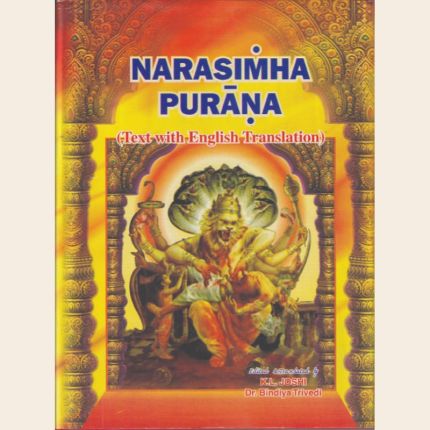
Narasimha Purana
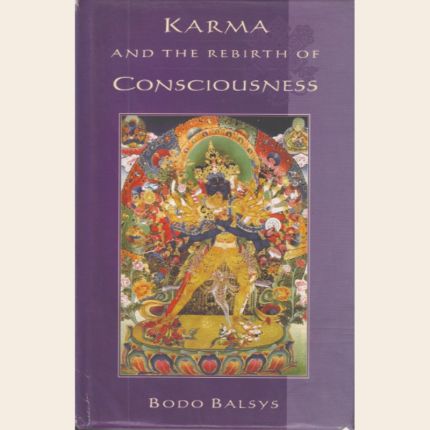
Karma and the Rebirth of Consciousness

Sarva Siddhanta Sangraha of Sankaracarya

Goddess Laksmi: Origin and Development
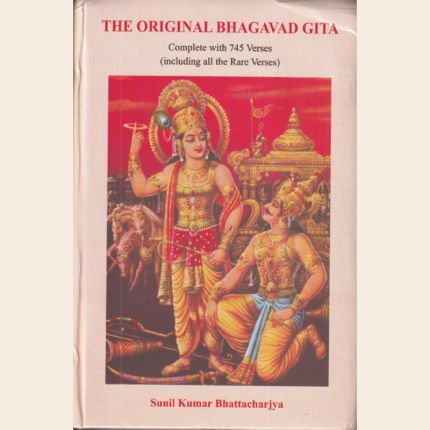
The Original Bhagavad Gita
The Original Bhagavad Gita contains the rare verses and the total number of verses in it is 745, which is in conformity with the Gitamana verse of the Bhishma parva of the Mahabharata. A millennium ago Abhinavagupta included some rare verses in his commentary on the Bhagavad Gita. The Kashmiri version of the Bhagavad Gita brought out by Schraeder in the early last century contained rare verses.

A Critical Survey of Indian Philosophy
This work under the title A Critical Survey of Indian Philosophy Philosophy was published in 1960 by Rider & Company of the Hutchinson Publishing Group Ltd., London. Its American edition under the title Indian Philosophy: A Critical Survey was brought out in 1962 in 'University Paperbacks' by Barnes and Noble, Inc., New York. The Publishers of this work in India are Motilal Banarsidass, Delhi. It is a pleasure to know that the work has been very well received and has run into several editions and imprints.

From Vasubandhu to Caitanya
The chapters in this volume are a selection of papers presented in the general Philosophy Section at the 12th World Sanskrit Conference in Helsinki, Finland. The first part of the book, Studies in Indian Philosophy, contains nine studies on individual topics and concepts in Indian philosophy from various perspectives: historical-philological, philosophical and comparative.
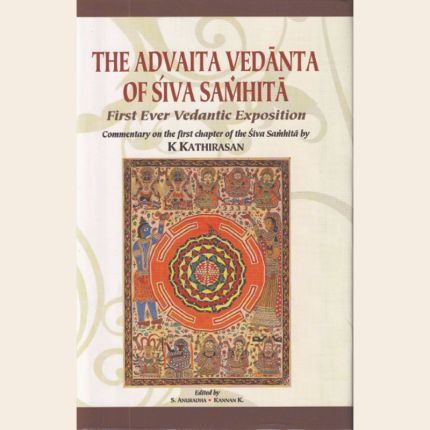
The Advaita Vedanta of Siva Samhita
Siva Samhita has come to be known as one of the three source texts for the Hatha Yoga tradition. However, it is largely unknown to the world for its clear exposition of the subject of atmajnana or Self-Knowledge consistent with the tradition of the Upanisads and Advaita Vedanta as taught by Sankaracarya.

Rgveda for the Layman
This book provides a complete view of the world's most ancient scripture, the Rgveda. Here each Vedic word, which at first sight appears crypti c and mysterious has been explained in lucid terms after analyzing it down to its root and sound, so that the real intention of the rsi who compiled the hymn is made clear.

The Origin of Raga
An attempt has been made to trace out the most popular and common term 'raga', its origin, techniques and also the course of its development from the Vedic period to this modern age of science. It also narrates raga in actual forms and its development through ancient and medieval times and as it is practised and performed by musicians of the present times. The style of expression is easy to understand and didactic.

The Natyasastra
The Natyasastra is probably one of the earliest and certainly one of the best treatises on Indian Dramaturgy. At the same time, the book available now is not an early one but may be as late as the seventh or eighth century AD. The authorship is traditionally ascribed to Bharata, the sage.
The eminence of Natyasastra is not that it was the first book on the subject but that it was the first comprehensive treatise on Dance, Drama and Music.