


Shop

Taj Mahal (Colour comic book)


Tantra
A complex body of religious practices that spread throughout the Hindu,Buddhist, and Jain traditions; a form of spirituality that seemingly combines sexuality, sensual pleasure ,and the full range of physical experience with the religious life - Tantra has played a central yet conflicted role in the Western imagination ever since the first ''discovery '' of Indian religions by European scholars. Always radical, always extremely other, Tantra has proved to be a key factor in the imagining of India. This book offers a critical account of how the phenomenon came to be.

Tantra Mantra Yantra
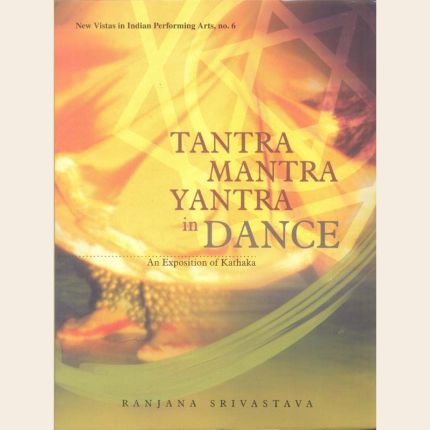
Tantra Mantra Yantra in Dance
The Indian perspective has always been holistic and all-inclusive : thought and activity in different fields, at different levels, have been interlinked to produce what has been timeless. Indian arts is a classic example of such amalgamation : it interlinks aspects of art, philosophy, mythology, religion, and mysticism. This book is an attempt to unravel such links with specific reference to the Kathaka dance form.

Tantra Vidya

Tantrasara by Abhinavagupta (HB)
Tantrasara is an extensive digest and recension of Tantraloka, a magnum opus by Acarya Abhinavaguptapada. The author himself created this digest to have a comprehensive study of the voluminous text, as this great and important text is not easy to absorb by everyone in a larger study material form. The complete text (10th century A.D.) is a compendium of all Tantrika rituals and philosophical essence of Tantra, drawn from the light of all pre-precepts on Indian Tantra till the time of the creator. This text consists of thirty seven chapters. It reflects on Tantra from the background of Kashmir Shaivism which is known as the monistic philosophy of Shaivism with the technical term Pratyabhijna. Abhinavagupta explains here in a lucid way about the ways to worship the Supreme Consciousness in order to attain this state of Absolute ecstasy and liberation in one single life of mankind. This work is before the English-speaking world for the first time in a hermeneutic way.

Tantrasara by Abhinavagupta (PB)
Tantrasara is an extensive digest and recension of Tantraloka, a magnum opus by Acarya Abhinavaguptapada. The author himself created this digest to have a comprehensive study of the voluminous text, as this great and important text is not easy to absorb by everyone in a larger study material form. The complete text (10th century A.D.) is a compendium of all Tantrika rituals and philosophical essence of Tantra, drawn from the light of all pre-precepts on Indian Tantra till the time of the creator. This text consists of thirty seven chapters. It reflects on Tantra from the background of Kashmir Shaivism which is known as the monistic philosophy of Shaivism with the technical term Pratyabhijna. Abhinavagupta explains here in a lucid way about the ways to worship the Supreme Consciousness in order to attain this state of Absolute ecstasy and liberation in one single life of mankind. This work is before the English-speaking world for the first time in a hermeneutic way.


Tantric Forms of Ganesa
The number of publications dealing with Ganesa is not insignificant, few take original Sanskrit texts into consideration. The Tantric aspects of the deity have certainly been studied too little. This book contributes to our knowledge of this less familiar side of Ganesa. This text gives the iconographic peculiarities, mantras, and yantras of fourteen forms of Ganesa as well as instructions for the ritual application of the mantras.
Tantraloka The Light on and of the Tantras by Abhinavagupta with the Commentary called Viveka by Jayaratha Volume One – Chapter One
The Tantraloka by Abhinavagupta (c. 975-1050) is undoubtedly one of the world’s greatest classics. Treating the whole range of early