


Shop

Navya-Nyaya Philosophy of Language
₹400This book represents the philosophy of language in Navya-Nyaya, based upon an analysis of the ”Verbal Suffix Chapter” of Gangesa’s Tattvacintamani. Since this chapter elaborates what kind of verbal understanding is generated and discusses related issues, the book demonstrates the main features of that philosophy of language and serves as a good introduction to that. The analysis mainly deals with Gangesa, but in some cases it referes to Raghunatha. Since the book is an attempt to pursue philological exactness and philosophical analysis, it is hoped to interest not only Sanskrit scholars, but also philosophers in general.

Nidana Samyutta
₹1,000The discourses presented in this book range around a single theme called Paticcasamuppada, the Theory of Cause and Effect. The purpose in proclaiming the doctrine is to liberate sentient beings from belief in atta, Self, Soul and Ego.


Oasis of Stillness The Life and Wisdom of Aghoreshwar Bhagwan Ramji, a Modern Day Saint
₹850The Life and wisdom of Aghoreshwar Bhagwan Ramji, a modern day saint

Om
₹350Om: The Sound Symbol is on the various meanings Om, unfolded by Swami Dayananda Saraswati. The first part contains linguistic interpretation of Om, Om as a word Symbol-pratika, Superimposition of the three states of experience on AUM by the Upanisad, Om as a phonetic Symbol of Brahman, and the mantra So’ham being Om.

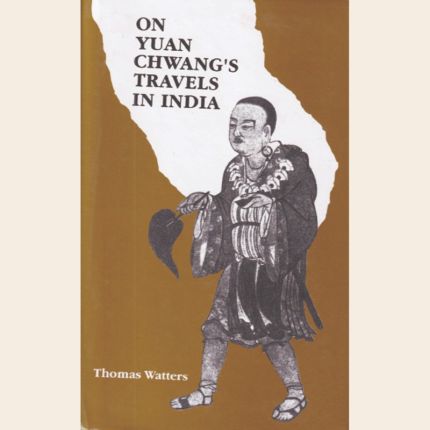
On Yuan Chwang’s Travels in India
₹1,495Yuan Chwang or Hiuen Tsiang, the famous Chinese traveller, commands such a high seat of eminence that he is styled as ”one of the three mirrors that reflect Indian Buddhism” in the country of his birth. To us in India too, he is no ordinary mirror, for had it not been for the records which he so diligently maintained of his visit to India during AD 629 to 645, a good part of our past, of our history, that too of one of the golden periods of this land, would have been lost in the limbo of oblivion. To Yuan Chwang goes the gratitude of all Indians as well as Indian historians.
