


Shop
Mind-Body Dualism
Misconceptions About Sankara

Movement And Mimesis
The author traces the growth of the techniques and forms of dancing and shows how the central tradition of the art, and also the oldest, expanded by contact with peripheral regional styles including foreign ones, and eventually merged with them into a synthessis that forms the basis of present-day classical dances of India.

Mrtyu
This study is the result of many years of research in India and Europe, in universities, museums, academies, libraries, and public and private foundations. Setting aside the impersonal, objective tone which a scientific work requires, I wish to express my gratitude to all those samnyasins, brahmanas, relatives of dead and dying persons, doms, and to all those living around cremation grounds, whom we cannot of course mention by name.
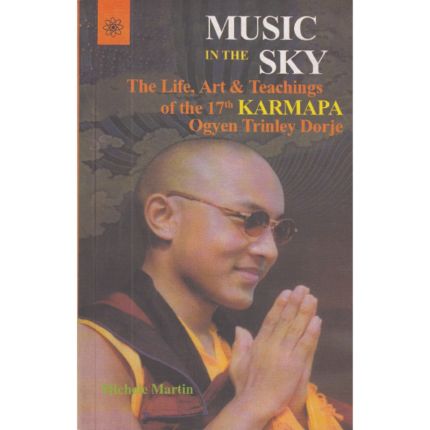
Music In The Sky
Music in the Sky offers a series of the Karmapa's profound teachings, an extensive selection of his poetry, and a detailed account of his life and flight from his homeland. The amazing teaching and writing skills evident in this work--particularly in light of the fact that the Karmapa is still only 17 years old--will captivate readers. Music in the Sky presents a definitive portrait of the Seventeenth Karmapa, strengthened and illuminated by an authoritative depiction of his place in one of the world's most revered lines of spiritual teachers.

Music of the Nations
The Music of the Nations is a comparative study of music and musical systems of the civilized nations of the world. Besides, music of India was not limited within the corners of India, but it crossed the borders of India, and contributed her art and culture to other countries. The Buddhist age was a golden one, and in this age, India had a contact with Mesopotemia.
My Days with Sri Ma Anandamayi

Mysticism in Shaivism and Christianity
If mysticism is hard to define, what is it then ? Or, why have mystics often spoken about what they have realized - notwithstanding the 'unspeakability' of a spiritual experience ? And, yet more significantly, how can a meeting point of different religious traditions be discovered at the mystical level ? Focussing on these and other related questions, eminent scholars from varying religious traditions here explore the nature of mystical experience in two of the world's major traditions: Hinduism and Christianity.

NAD Understanding Raga Music
This book is perhaps the first comprehensive guide to understanding all the aspects and finer nuances of Hindustani classical music. It is aimed at the serious listner, that is some one who may not have had any formal lessons himself in this performing art, but who, nevertheless, has picked up an initial interest on listening to classical music, and is, therefore, seeking to know more about its underlying structure, system and traditions. By explaining in a straightforward and extremely readable style, the basic features of Indian music, how time and melody are structured, the main principles of raga delineation and development, and the various genres and styles of vocal as well as instrumental performances, the book aims to enhance the serious listener's understanding of Hindustani music, and heighten his appreciation of this art form.
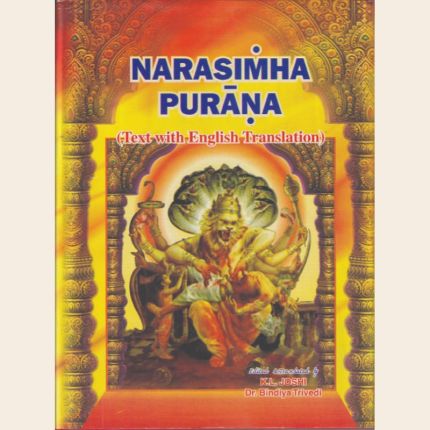
Narasimha Purana
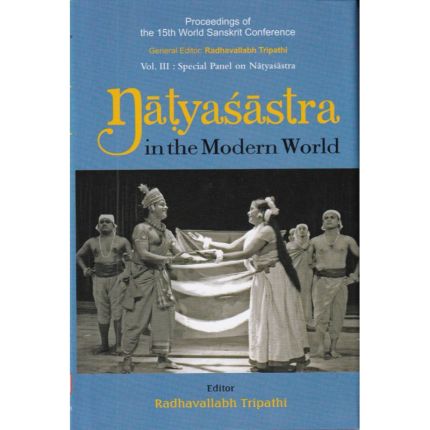
Natyasastra in the Modern World
This volume discusses in detail the divergent views on Natyasastra - its origin, concepts, philosophy, history, vrtti, impact on traditional stages, relevance in modern age and stage, and its applicability in post-modern stage. It also vividly talks about the interlinks between Natyasastra and the regional theatre forms with specific focus on south India. It therefore reinstates the fact that the regional theatric traditions have considerably contributed to the restructuring of Natyasastra texts.

Navya-Nyaya Philosophy of Language
This book represents the philosophy of language in Navya-Nyaya, based upon an analysis of the ''Verbal Suffix Chapter'' of Gangesa's Tattvacintamani. Since this chapter elaborates what kind of verbal understanding is generated and discusses related issues, the book demonstrates the main features of that philosophy of language and serves as a good introduction to that. The analysis mainly deals with Gangesa, but in some cases it referes to Raghunatha. Since the book is an attempt to pursue philological exactness and philosophical analysis, it is hoped to interest not only Sanskrit scholars, but also philosophers in general.