


Hinduism (General)
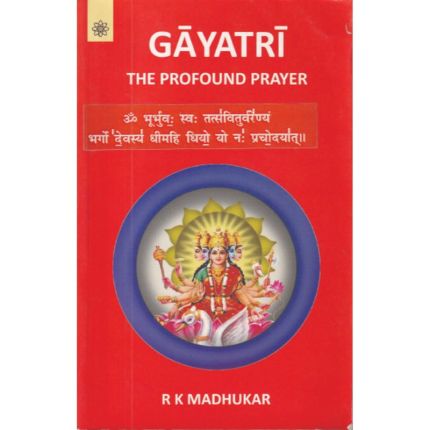
Gayatri
Gayatri is a sacred mahamantra. It is a universal prayer. The Vedas, Upanishads, puranas and various other ancient Hindu Scriptures sing in one voice the glory of Gayatri - the profound prayer. Since the Vedic times, Gayatri has been a daily prayer of the Hindus, chanted every morning and evening, addressed to Savitr, the power behind the Sun. Gayatri is considered the most exalted prayer, because unlike the other mantras, it does not seek material or worldly gains. It is a prayer that seeks the highest enlightement, the realization of the supreme being, which according to our sanathana Dharma, is the highest goal of every human being. Gayatri is, undoubtedly, the prayer or meditation meant for men and women everywhere, irrespective of their caste, creed, religion or nationality Om Gayatri.

Dattatreya
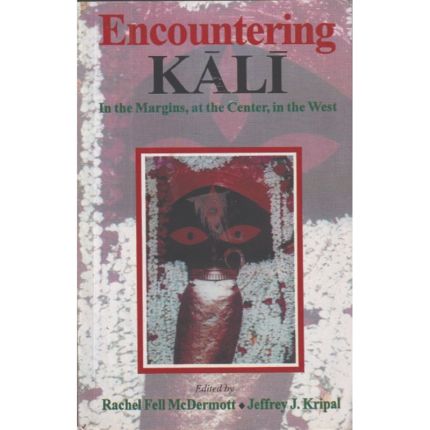
Encountering Kali
Encountering Kali explores one of the most remarkable divinities the world has seen. The Hindu goddess Kali is simultaneously understood as a bllod-thirsty warrier, a deity of ritual possession, a Tantric sexual partner. and an all-loving, compassionate mother. popular and scholarly interst in her has been on the rise in the West in recent years. Responding to this phenomenon, Mc Dermott and Kripal's volume focuses on the complexities involved in interpreting kali in both her indigenous south Asian setting and her more recent Western incarnations.
Sun – Worship in Ancient India
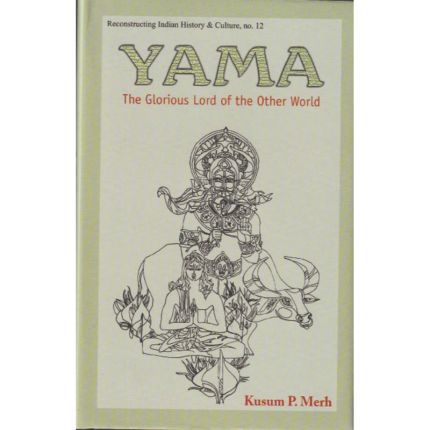
Yama
In the Hindu pantheon, Yama holds a unique place. A counterpart, in the indigenous tradition, of AvestanYima, Egyptian Osiris or Greek pluto, he inspires terror in the heart of an average mortal: not only owing to his overlordship of the abode of the dead, but also for his identification with death itself. Yama's image in Hindu mythology, however, has come to have many variants - which Dr.Mehr's study tries to capture against their essential literary settinngs.

The Sakta Pithas
The sakta pithas by Dr D. C. Sircar, which is limited and precise in scope but has a wide appeal, brings honour to the young historian of Calcutta. Its basis is a critical edition of the Pithanimaya or Mahapithanirupana which is short treatise of the late period describing the fiftyone pilgrim spots associated with the Mother Goddess under some of her various names. Each one of the pithas is mentioned along with a particular form of the Goddess and that of siva associated with it.

A Dictionary of Indian Mythology

Dictionary of Hindu Lore and Legend

The Brahma Kumaris As a ‘Reflexive Tradition’
The aim of this book is to examine the status of tradition in the contemporary world, through a critical engagement with the recent social theory of Anthony Giddens on the emergence of a 'post-traditional society' using as a case-study, the Brahma Kumaris World Spiritual Organisation, a millenarian south Asian New Religious Movement, aims to examine the ways in which forms of tradition not only persist but also flourish in the contemporary world, and the manner in which they are drawn on and (re)created by individuals in their ongoing construction of self-identity.

Durga-Kosha
