


Hinduism (General)

Durga-Kosha

Vishnu Kosha
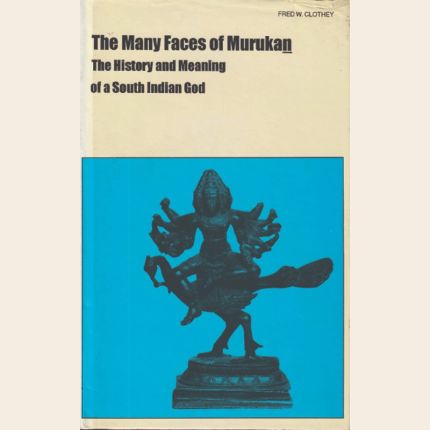
The Many Faces of Murukan
This book is a study of one of the most persistent and popular gods in south India and traces the history of the god, dwelling especially on four periods: The earliest known Tamil civilization as portrayed in classical Tamil literature and archeology; The Northern Epic period as depicted in Epic mythology; the Medieval South as depicted in the iconography and literature of the period; and contemporary Tamil Nadu as expressed in the ritual life of the cultus.

Dictionary of Hindu Lore and Legend

Domain of Lord Jagannath
This little book, entitled Domain of Lord Jagannath -A Historical Study by Dr. Bikram Das, a medical professor, is a unique work in the field of cultural history relating to Lord Jagannath and the Thakur Raja of Puri. It describes how the glorious administration of the sixteenth century developed in Purushottama-dham and how the Gajapati Rajas were respected by Rajas, Zamindars and people of Orissa even after they were deprived of power and independence.

A Dictionary of Indian Mythology

Hindu Deities
Hinduism is the term now used to summarize the religious aspirations of the majority of Indians. It includes a variety of highly intellectual, metaphysical and philosophical systems, as well as the naive demonology and magico-religious beliefs of the masses. Hinduism is also a synthesis of three, originally separate religious traditions: the Dravidian, the Aryan and the aboriginal.
Sun – Worship in Ancient India

Dattatreya

Devimahatmyam
The Devimahatmya addresses the perennial questions of the nature of the universe, humankind, and divinity. Written in the form of a narrative of a dispossessed king, a merchant betrayed by the family he loves, and a seer, it presents a trilogy of myths concerning the all powerful Divine Mother, Durga, and the fierce battles she wages against throngs of demonic foes. These allegories represent our all-too-human impulses toward power, possessions, and pleasure.

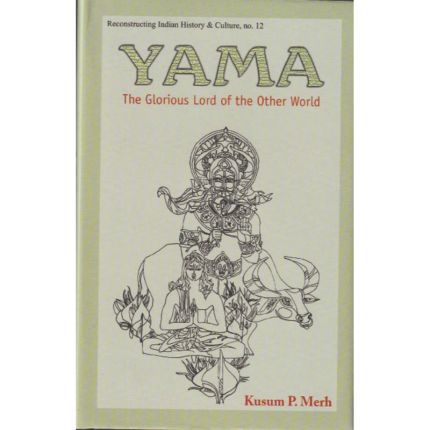
Yama
In the Hindu pantheon, Yama holds a unique place. A counterpart, in the indigenous tradition, of AvestanYima, Egyptian Osiris or Greek pluto, he inspires terror in the heart of an average mortal: not only owing to his overlordship of the abode of the dead, but also for his identification with death itself. Yama's image in Hindu mythology, however, has come to have many variants - which Dr.Mehr's study tries to capture against their essential literary settinngs.