


Music

Music of the Nations
The Music of the Nations is a comparative study of music and musical systems of the civilized nations of the world. Besides, music of India was not limited within the corners of India, but it crossed the borders of India, and contributed her art and culture to other countries. The Buddhist age was a golden one, and in this age, India had a contact with Mesopotemia.

NAD Understanding Raga Music
This book is perhaps the first comprehensive guide to understanding all the aspects and finer nuances of Hindustani classical music. It is aimed at the serious listner, that is some one who may not have had any formal lessons himself in this performing art, but who, nevertheless, has picked up an initial interest on listening to classical music, and is, therefore, seeking to know more about its underlying structure, system and traditions. By explaining in a straightforward and extremely readable style, the basic features of Indian music, how time and melody are structured, the main principles of raga delineation and development, and the various genres and styles of vocal as well as instrumental performances, the book aims to enhance the serious listener's understanding of Hindustani music, and heighten his appreciation of this art form.
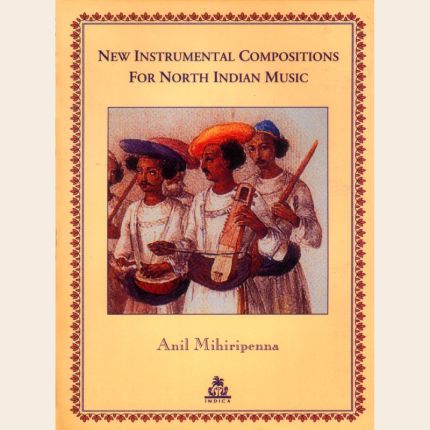
New Instrumental Compositions for North Indian Music

Sacred Music : Its Origins, Powers, and Future – Traditional Music in Today’s World

Sarangi Style in Hindustani Music
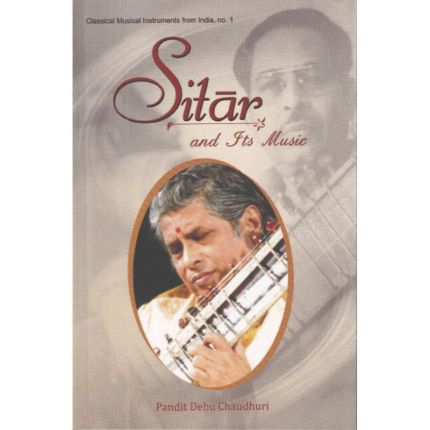
Sitar and Its Music
Sitar and Its Music is a revised and enlarged edition of a much sought after reference book on instrumental music, appeared as Sitar and its Techniques, in 1981. It is a serious attempt to convey the basic principles and allied information on sitar and its music, keeping in mind its absolute usefulness for the students who want to learn sitar and our great tradition.The book vividly deals with gharana, especially its contribution to the existing and traditional Indian classical music.

Srutipada Sarita: Musical Notations Of Traditional and Self Made Dhrupad Compositions

The Art of Tabla Rhythm
This authoritative work deals comprehensively with Tabla rhythm, focusing, if in brief, on its history and aesthetics. It is aimed at the Tabla student, the Tabla performer, as well as the inquiring listener of Hindustani music, for whom it encapsulates a Tabla practitioner's knowledge acquired over a lifetime of learning and teaching.

The Grammar of Carnatic Music
This book argues that Carnatic music as it is practiced today can be traced to the musical practices of early/mid-eighteenth century. Earlier varieties or ''incarnations'' of Indian music elaborately described in many musical treatises are only of historical relevance today as the music described is quite different from current practices.

The Music Master: Portrait Of The rudra Vina maestro Ustad Zia Mohiuddin Dagar

The Music of India
This is an attempt to bring, to bear a ''scientific'' attitude to Indian musicological problems. Tools and methods of modern science have been employed to probe into musical phenomena and Indian music history. No other term is perhaps so operatively basic as the tonic-drone in melodic music and today the tambura is the most important drone in Indian music. Importance of the emergence of the drone in Indian music history has been discussed at length, in terms of neuro-physiological dynamics.
