


Hinduism
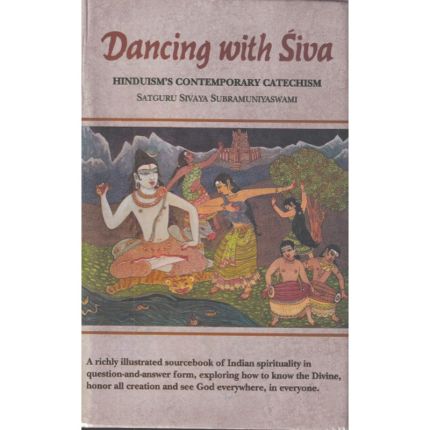
Dancing With Siva
₹1,295A richly illustrated sourcebook of Indian spirituality in question-and-answer form, exploring how to know the Divine, honour all creation nd see God everywhere, in everyone.

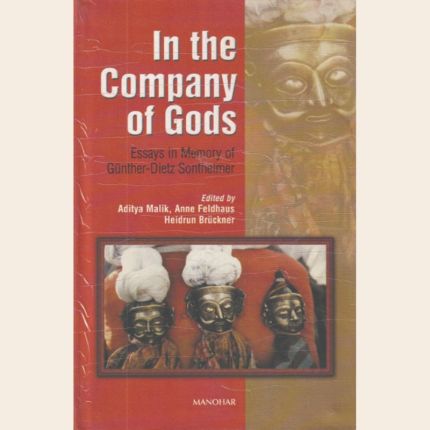
In the Company of Gods
₹995This volume contains twenty essays divided into four sections: folk religion, bhakti, history and law, and an epilogue that reflects on Sontheimer’s thoughts on Hindu law, the constituents of Hinduism, his interest in folk bronzes, documentary film-making, and a poem by Dilip Chitre on Sontheimer.
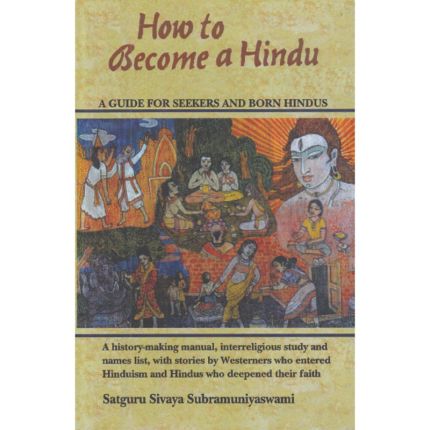
How to Become a Hindu
₹750A history-making manual, interreligious study and names list, with stories by Westerners who entered Hinduism and Hindus who deepened their faith.

The Tyagaraja Cult in Tamilnadu
₹695Tyagaraja is a Somaskanda and the first visual representation of this composite deity can be traced to the time of pallava rule. The concept of Somaskanda is unique to Tamilnadu. The Cola monarchs were devotees of Tyagaraja. The book analyses the Tyagaraja Cult from three perspectives: as a religious synthesiser, socio-cultural integrator and legitimiser of the ideologies of the State.


The Sacred Marriage of A Hindu Goddess
₹595Moving beyond traditional understanding of the catagory of ”sacred marriage” derived from studies of the ancient Near East, Harman reveals that sacred marriage in India functions as a devotional metaphor for Hindu devotees, a way understanding how deities act toward one another and toward who worship them. Combining sdystematic textual study with descriptive fieldwork, Harman offers us an original and perceptive exploration of the relationship between the human and the divine in Hindu life.


अहं ब्रह्मास्मि I Am That ( HINDI )
₹550Hindi translation of I Am That. Translated from English by Vinay Kumar Vaid

Poems to Siva
₹495Composed by three poet-saints between the sixth and eight centuries A.D., the Tevaram Hymns are the primary scripture of Tamil Saivism, one of the first popular large-scale devotional movements within Hinduism. Indira Peterson eloquently renders into English a substantial portion of these hymns, which provide vivid and moving portraits of the images, myths, rites, and adoration of siva and which continue to be loved and sung by the millions of flowers of the Tamil Saiva tradition. Her introduction and annotations illuminate the work’s literary, religious, and culture contexts, making this anthology a rich sourcebook for the study of the South Indian popular religion.