


Default
Indian Aesthetics
Indian aesthetics encompasses traditions and texts that focus on literary, visual, structural and performative productions of a wide range of art forms that delight, entertain, provoke their audience in ways that are relevant to the life. These art forms result in various responses such as delight, emotional relish, and enjoyment. In their convergence with other arts, different Indian art forms, be it cinema, dance, drama, music, literature or sculpture, have practised a ''give and take'' policy all through their history.
Spiritual treasure of St. Ramadasa
To write about the different modes of worshipping God and to say about the relation between the devotee and God without referencen to the speculative problems in philosophy is also easy. But to take into consideration both the intellectual quest of the philosopher and the actual devotional interest and practice of an aspirant and the experiences and the mature wisdom of a saint, and then to construct a philosophy of religion which all easy. This becomes all the more difficult when one has to deal with the polytheistic belief of the Hindus, and then to reconcile it with monotheism and monism, and to synthesize it future with mystical realization.
The Life And Teachings Of Sai Baba Of Shirdi

The Natya Sastra of Bharatamuni

Indian Philosophy A New Approach
वैदिक संस्कृति

The Stanzas on Vibration (HB)

A History of Pali Literature

Confusions in Advaita Vedanta (HB)

The Ragas of Northern Indian Music
The first part of the book traces the history of Indian music and the continuity of its theory and practice for more than two thousand years. It is based on many years' research into the vast ancient Sanskrit literature of music. These valuable technical treatises, which lie in the form of scarcely catalogued manuscripts throughout the public and private libraries of India, had hitherto remained unemplored. Part Two transcribes and studies in detail fifty typical Raga-s. Each is preceded by a Sanskrit poem in translation which depicts the atmosphere; then follows an analysis of the scale, covering its intervals and expression, a study of the theme with its characteristic motives and finally a typical development.
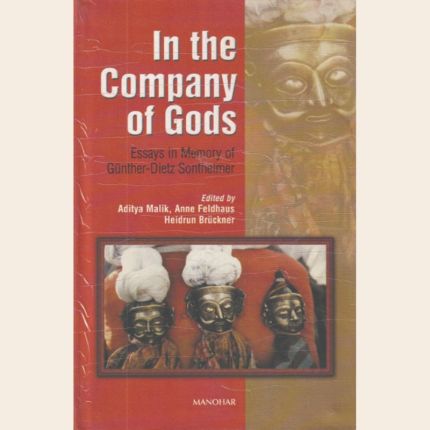
In the Company of Gods

The Natyasastra
The Natyasastra is probably one of the earliest and certainly one of the best treatises on Indian Dramaturgy. At the same time, the book available now is not an early one but may be as late as the seventh or eighth century AD. The authorship is traditionally ascribed to Bharata, the sage.
The eminence of Natyasastra is not that it was the first book on the subject but that it was the first comprehensive treatise on Dance, Drama and Music.