


Default

The Sakta Pithas
The sakta pithas by Dr D. C. Sircar, which is limited and precise in scope but has a wide appeal, brings honour to the young historian of Calcutta. Its basis is a critical edition of the Pithanimaya or Mahapithanirupana which is short treatise of the late period describing the fiftyone pilgrim spots associated with the Mother Goddess under some of her various names. Each one of the pithas is mentioned along with a particular form of the Goddess and that of siva associated with it.

The Sankhya Aphorisms of Kapila
The present translation of Aphorisms of Kapila by J.R. Ballantyne is so rendered as to make it possible for an average reader to understand the complex thought structure of Sankhya philosophy in a language that is easy and graspable. It will be of great help to those who are desirous of knowing not only the historical background of Indian thought, but also want to know as to how existential questions of life and death have been tackled.
The Sankhya Philosophy
The Sanskrit Language: An Overview

The Science of Indian Music

The Shiva-Sutra Vimarsini of Ksemaraja
The Shiva Sutras is a manual of Yoga. It is divided into three Unmesas, each treating of one particular means, Upaya, for reaching independence Svacchanda. The first is the Shambhavopaya, the specific Shaiva discipline and corresponds to the Jnanamarga of the Vedantins, and what is called in the Bhagvad Gita, The Jnanayoga of the Sankhyas,also the avyaktagatih. The second, the Shaktopaya is the same as Shakta discipline and consists in the use of mantras and attainment of knowledge by their means. The third called the Anavopaya is the Astanga Yoga of Patanjali. The three Upayas are treated in the order of their worth; the Shambhava being the first and most excellent, and the Anava being the least worthy and not recognized by Vasugupta in his Spandakarika.

The Sitar: The Instrument and Its Technique
The Soul of India

The Spanda-Karikas with the Spanda-Nirnaya
The Spanda system owes its origin to Shivasutras and concerns itself with their elucidation and popularisation. The name of the commentary written by Ksemaraja is Spandanirnaya. It was undertaken at the request of his own pupil Sura. The present book contains translations of the Sutras of the Spandakarikas and Spandanirnaya.
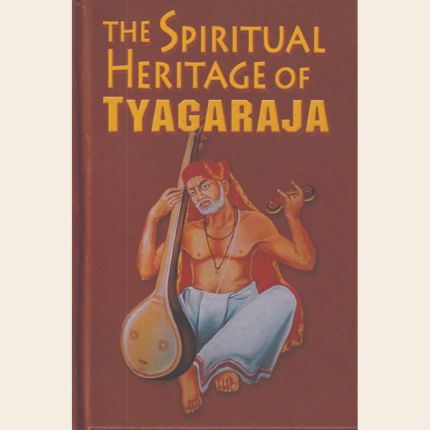
The Spiritual Heritage Of Tyagaraja
