


Default
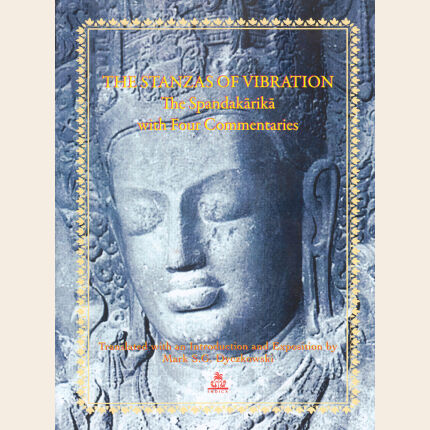
The Stanzas on Vibration (PB)

The Story of Indian Music and Its Instruments
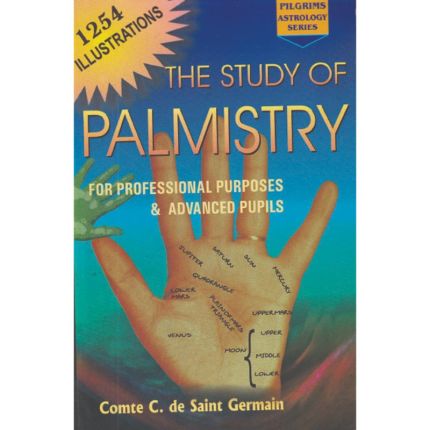
The Study Of Palmistry

The Supreme Yoga : Yoga Vasistha
The Yoga Vasistha has been a favourite book of spiritual seekers in India these several centuries. Its special appeal lies in its thoroughly rational approach, and in its presentation of Vedanta as a philosophy to bridge the gulf between the secular and the sacred, action and contemplation, in human life, through a comprehensive and lofty spirituality.

The Tantra of Sri Chakra ( bhavanopanishat )
The Sri-chakra is the representation of the Sri-vidya, it is the chief instrument through which the mother goddess is propitiated. This book explains in great detail the symbolism behind the Sri-Chakra, the rituals involved in the worship of Sri-chakra and the textual background going back to the Vedas. The source materials have also been given.

The Tarkabhasa of Kesavamisra
Tarkabhasa, a text, presents a detail discussion on Nyaya theory. It is known as an elementary treatise, a key for the beginners of the Science of Nyaya. It is quiet evident that Tarkabhasa is written by Kesava Misra, as mentioned at the end of the text. It presents the subject matter in an easy language.

The Theory and Practice of Mantra
The contents of this book focus on the evolution and practice of mantra. This work consists of five chapters. The second and third chapters discuss the historical speculation of mantra and the purpose of mantric practice and its practical aspect in Brahmanic and Buddhist traditions respectively. The fourth chapter draws out the basic theory of mantric practice, and clarifies the role of mantra and Esoteric Buddhism.

The Tibetan Book of the Dead
The Tibetan Book of the Dead contains a detailed portrayal of the teachings that play a major role in the Tibetan understanding of death and dying. It is basically a collection of Buddhist scriptures that offer significant insights into the psychology of death and dying and suggests the importance of meditative practice and knowledge as tools for self-understanding.
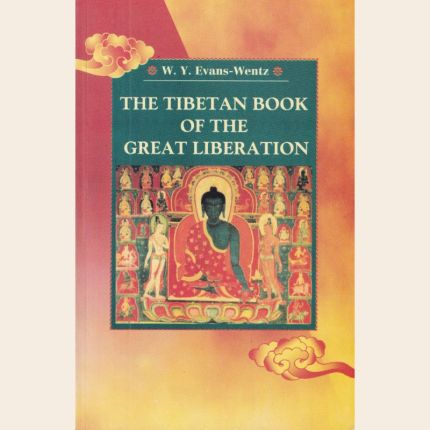
The Tibetan Book of the Great Liberation

The Timing of Events
The Timing of Events fulfils an important gap in classical astrological literature. The ancient seers with yogic siddhis did not need rules for predicting future events. They clairvoyantly saw the future course of events. The astrological principles are given for those who are not so evolved. The astrological principles aim at helping those who are interested to live a life according to the evolutionary course of their everyday life.
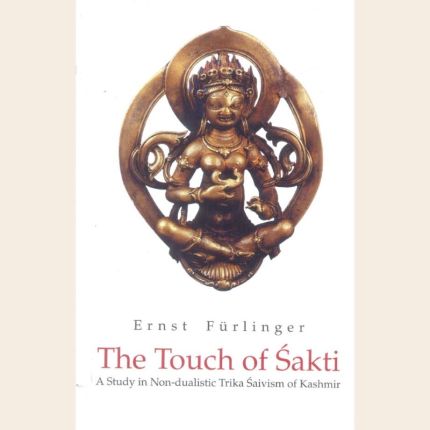
The Touch of Sakti
The Kashmirian Saiva tradition, especially in its non-dualistic form, is perhaps the richest philosophical one in India. It is among the few that have survived to our days. It has even spread (if in not always very valid versions) to the Western world. A study such as this one, on the particularly interesting subject of saktisparsa, cannot therefore but be welcome.
