


Default

KASI THE SACRED CITY OF LORD SIVA
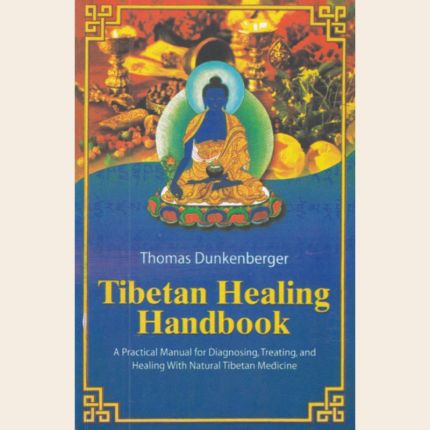
Tibetan Healing Handbook
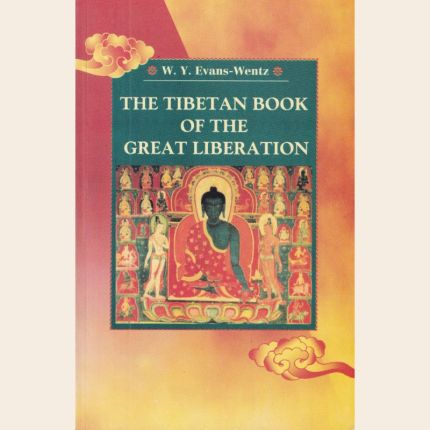
The Tibetan Book of the Great Liberation

TIBET’S GREAT YOGI MILAREPA

Sakta Tantrik Cult in India

The Ubiquitous Siva
Vac
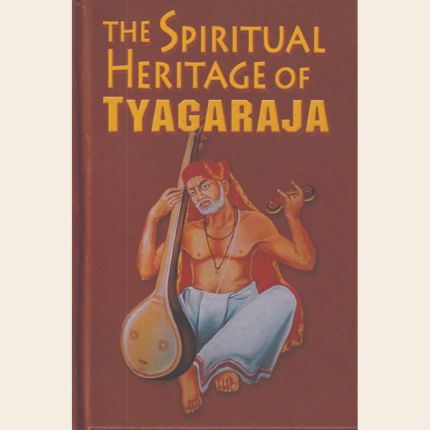
The Spiritual Heritage Of Tyagaraja
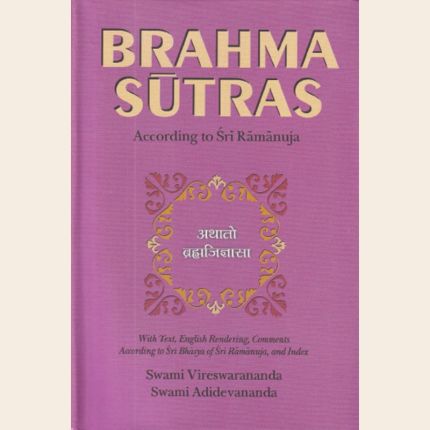
Brahma Sutras
The present compendium in English of the Sri-Bhashya, is similar to an earlier one of Sri Shankar's commentary on the Brahma-Sutras by Swami Vireswarananda. The foreword presents a scholarly resume of the Sri-Bhashya. The Introduction contains an illuminating comparative study of the commentaries by Shankara, Ramanuja, Vallabha, Nimbarka. and Madhva. It includes with a section drawing attention to the harmony underlying these different commentaries.

Vedanta
This volume presents in a clear and concise form the tents of a religion, the scriptures of which have evolved over the course of five thousand years. Vivekananda once said, ''I have a message to the West, as Buddha had a message to the east.'' And the message was Vedanta. As Christopher Isherwood says in his foreword:'' It must be remembered that much of this material was first spoken to audiences - sometimes extemporaneously, without even a rough draft of what Vivekananda wished to say. In such cases, it was taken down in shorthand ... Thus we experience the freshness of the Swami's live speech. Vivekananda's living presence often becomes powerfully evident behind his words."

Bhasa Pariccheda
The Bhasa-Pariccheda with its commentary, the Siddhanta-muktavali, by the same author, Visvanatha Nyaya-Pancanana Bhattacarya, is a manual on the Nyaya-Vaisesika Philosophy which is extensively read throughout India by all who want to get a fair knowledge of the subject within a short compass. Through inteded for beginners, it is a pretty difficult book, the chief reason for which is its extreme terseness. In 1850 Dr. E. Roer published an English edition of the Bhasa-pariccheda, with extracts from the Muktavali, which is long out of print. An English rendering of the work with the Muktavali was therefore overdue.

Studies on The Tantras
Man has a natural tendency to enjoyment, and does not generally welcome renunciation. He finds it difficult to call upon the Lord in a pure and simple way, and instinctively hugs to his bosom some amount of impurity in the midst of purity. Even through renouncing lust and wealth, he would like to have a passing glimpse of them. Hence it is that we find that immediately after stating distinctly in his sacred books that the worship of the Divine Mother should be performed in the purest way possible, he also makes room fore some queer sensuous songs in them on the plea that these will be pleasing on the Goddess.