


Default
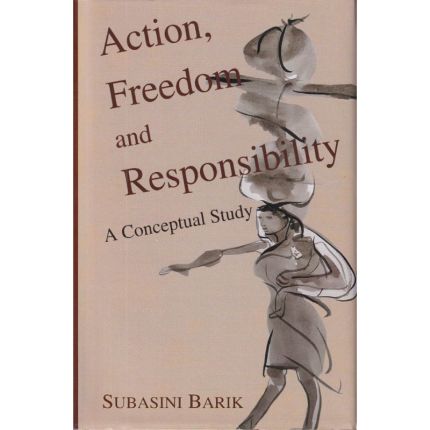
Action Freedom and Responsibility
This book, a work on human doing, analyses and applies three central aspects of human life - Action, Freedom and Responsibility - in the wide spectrum of the Philosophy of Mind. Reflections on these issues and their interconnections have a significant effect on the Philosophy of Value and application of ethical theories in practical life.
Adhyasa
The concept of Adhyasa in its three variants has to be asserted from the non-contradictory ground of Reality. In this context, there is a need to differentiate 'mere appearance' (as it appears) and 'the actual appearance' (as it is) or the unmanifest Reality. It cannot be denied that the concepts of 'Brahmatkaikya' and 'Brahmabhava' created confusion in many thinkers, but the authentic explanations by Sri Sankara steadfastly made the Advaitic perspective unchallengeable in all the times.

Aditya Hrdayam

Advaita A Conceptual Analysis

Advaita Metaphysics
This book undertakes the study of Advaitavada of sankara in its depth and extension. It spells out the relative cogency of Malkani's understanding of Advaita Metaphysics and Methodology, Murty's Critique of Advaita (nondualism) and Misra's Philosophical Construction of Advaita from a linguistic perspective. This volume centres around the formulations of the Advaita theory of monism on the basis epistemological and logical analysis of knowledge in Adhyasa Bhasya.
Advaitic Mysticism Of Sankara
This book attempts to elaborate and clarify Sankara's understanding of brahmannubhava, in all its aspects, relying exclusively on his own writings. For this, not only the commentaries, but also the prakarana granthas have been taken into account. In the final chapter, brahmanubhava is compared with what was said about the mystic experience by two of the most authoritative exponents of christian and Islamic mysticisms, namely st, John of the cross and Jalalu' d-Din Rumi, mainly to understand Sankara's position without any ambiguity.
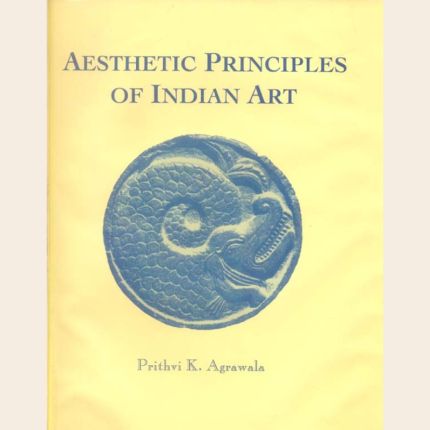
Aesthetic Principles of Indian Art

Aesthetics

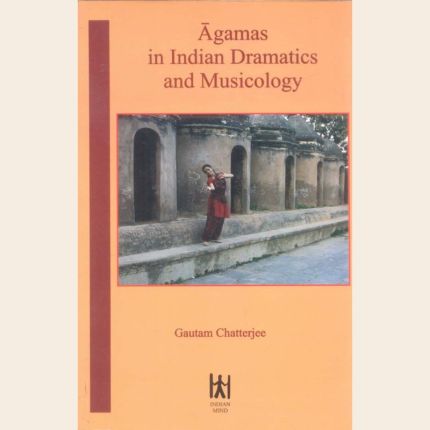
Agamas in Indian Dramatics and Musicology

Age of The Nandas & Mauryas
The age of the Nandas and Mauryas (c. 400-185 B.C.) witnessed great changes sweeping over the face of Western Asia, over lands with which India had much to do from the dawn of history, and account must be taken of their effects, direct and indirect, on the political, economic and artistic life of India. In this seminal period when Indo-Aryan civilization may be said to have attained its maturity, India did not hesitate to borrow political and economic plans and artistic motifs from abroad, and put them to the most appropriate uses in her own institutions and monuments.
