


Default

The Shiva-Sutra Vimarsini of Ksemaraja
The Shiva Sutras is a manual of Yoga. It is divided into three Unmesas, each treating of one particular means, Upaya, for reaching independence Svacchanda. The first is the Shambhavopaya, the specific Shaiva discipline and corresponds to the Jnanamarga of the Vedantins, and what is called in the Bhagvad Gita, The Jnanayoga of the Sankhyas,also the avyaktagatih. The second, the Shaktopaya is the same as Shakta discipline and consists in the use of mantras and attainment of knowledge by their means. The third called the Anavopaya is the Astanga Yoga of Patanjali. The three Upayas are treated in the order of their worth; the Shambhava being the first and most excellent, and the Anava being the least worthy and not recognized by Vasugupta in his Spandakarika.

Shree Sukta

Tantra Mantra Yantra


The Spanda-Karikas with the Spanda-Nirnaya
The Spanda system owes its origin to Shivasutras and concerns itself with their elucidation and popularisation. The name of the commentary written by Ksemaraja is Spandanirnaya. It was undertaken at the request of his own pupil Sura. The present book contains translations of the Sutras of the Spandakarikas and Spandanirnaya.

Gilles Deleuze’s Difference and Repetition
This is the first critical introduction to Difference and Repetition, Gilles Deleuze's most important work of philosophy and one of the most significant texts of contemporary philosophy. In offering a critical analysis of Deleuze's methods, principles and arguments, the book enables readers to engage with the revolutionary core of Deleuze's philosophy and take up favourable or critical positions with respect to its most innovative and controversial ideas. The book will also help to extend Deleuze's work to philosophers working in the analytic tradition.
In the Company of Gods

The Supreme Yoga : Yoga Vasistha
The Yoga Vasistha has been a favourite book of spiritual seekers in India these several centuries. Its special appeal lies in its thoroughly rational approach, and in its presentation of Vedanta as a philosophy to bridge the gulf between the secular and the sacred, action and contemplation, in human life, through a comprehensive and lofty spirituality.

From Early Vedanta to Kashmir Shaivism
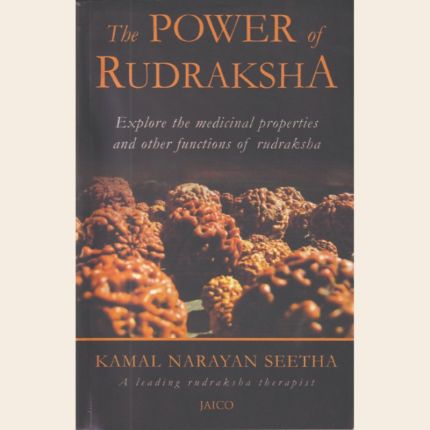
The Power of Rudraksha
Rudraksha is an ancient bead known for its divinity, positive results on human mind and for good health. The subject is diverse and complex due to variety of opinions and different descriptions available in ancient epics as well as in some recent books. The Rudraksha is greatly respected and revered as Lord Shiva's tears the wearing of which will end sorrows and heal ailments.

An Introduction to the Philosophy of Trika Saivism
The aim of this book is basically to introduce the reader to the fundamental principles that Trika philosophers have enunciated in their philosophical-cum-theological treatises. Such an approach has been adopted deliberately on account of the fact that Trika system of thought, which is very rich in philosophical vocabulary, is hardly known to general public in the manner of Advaita Vedanta of Samkara.