


D.K. Printworld (P) Ltd.

Interstate Relations in Northern India Circa 800-1200 CE

Exploring Medieval India Through Persian Sources

Hindustani Music and The Aesthetic Concept of Form

Mrtyu
This study is the result of many years of research in India and Europe, in universities, museums, academies, libraries, and public and private foundations. Setting aside the impersonal, objective tone which a scientific work requires, I wish to express my gratitude to all those samnyasins, brahmanas, relatives of dead and dying persons, doms, and to all those living around cremation grounds, whom we cannot of course mention by name.

The Yoga of Netra Tantra
The inspiration for taking up the study of the Netra Tantra and its Yoga is entirely due to my guru, Swami Lakshman Joo (1907-91), who allowed me access to the tradition of Trika or non-dualist Kashmir Saivism. My gratitude to him is unbounded and has been guiding me in every endeavour of studying and practising this great spiritual tradition, when can contribute tremendously with a practical way to experience it.

Abhinavagupta’s Hermeneutics of the Absolute Anuttaraprakriya
This study by Bettina Baumer is important and welcome because it deals with what may well be considered as the very core-metaphysically and mystically-of Abhinavagupta's teaching, and of what he still can tell and teach us. Its importance is, of course and foremost, due to the fact that it deals with a work by Abhinavagupta who-as Bettina Baumer forcefully says in her introduction-is undoubtedly one of the most remarkable.
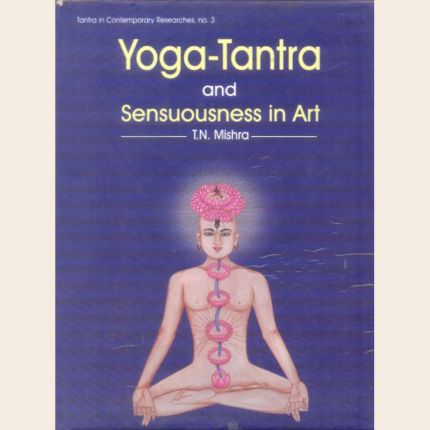
Yoga-Tantra and Sensuousness in Art
The word yoga perhaps received the highest attention of readers among other Sanskrit words and the word is being interpreted, globally. In this book the author makes a humble attempt to explain the word yoga. During the course of exploring the meaning, certain related aspects needed discussions. These include an analysis of the philosophy of yoga-tantra, a clear-cut understanding of Ulta-Sadhana or Regressive Process, etc.
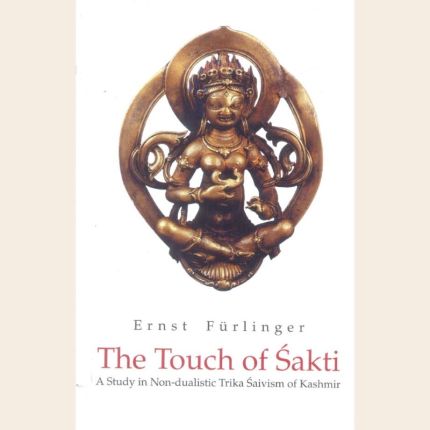
The Touch of Sakti
The Kashmirian Saiva tradition, especially in its non-dualistic form, is perhaps the richest philosophical one in India. It is among the few that have survived to our days. It has even spread (if in not always very valid versions) to the Western world. A study such as this one, on the particularly interesting subject of saktisparsa, cannot therefore but be welcome.

Saundaryalahari of Sankaracarya
The Saundaryalahari has fascinated and puzzled generations of scholars and laypersons; subject to continuing study and debate, till today, such details as the authorship of the 100 verses named the Saundaryalahari remain a matter of contention, particularly among scholars.
Nataraja Guru worked on the translation and commentary of the Saundaryalahari for a period of three and a half years, it is his last work and comes at the end of a life dedicated to the pursuit of the Absolute and those familiar with his work will recognize in it a kind of summing up of his life and teachings.

Aditya Hrdayam

Eighty-Four Asanas in Yoga
Physical postures are the most important and often the only constituent of modern Yoga. Many practitioners believe that the postures derive from an ancient original set of eighty-four asanas. This book, for the first time, traces traditions of eighty-four postures by examining original materials, including drawings, descriptions in older Indic texts and modern publications which reflect contemporary traditions.

A Classical Dictionary of Hindu Mythology and Religion
The main portion of this work consists of mythology, but religion is bound up with mythology, and in many points the two are quite inseparable. Of history, in the true sense, Sanskrit possesses nothing, or next to nothing, but what little has been discovered here finds its place. The chief geographical names of the old writers also have received notice, and their localities and identifications are described so far as present knowledge extends.