


Shop

The Sanskrit Language: An Overview

The Science of Indian Music

The Scientist And The Saint
Science often claims the monopoly of truth, but is unable to give answers to the main questions. It is valid and useful in its field, but it must understand its limitations and is not a strong base for providing a world-view. On the other hand, throughout history, and in every continent, saints and sages have claimed to see the final reality. Their testimonies are, if not equal, at least convergent. This book quotes a wide range of scientists and sages, giving a strong base for a spiritual view of life and the universe.
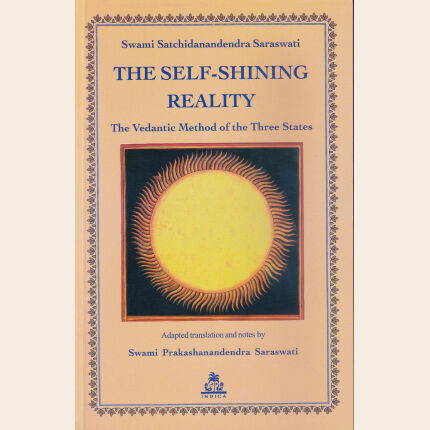
The Self-Shining Reality The Vedantic Method of the Three States

The Shatakas of Bhartrihari

The Shiva-Sutra Vimarsini of Ksemaraja
The Shiva Sutras is a manual of Yoga. It is divided into three Unmesas, each treating of one particular means, Upaya, for reaching independence Svacchanda. The first is the Shambhavopaya, the specific Shaiva discipline and corresponds to the Jnanamarga of the Vedantins, and what is called in the Bhagvad Gita, The Jnanayoga of the Sankhyas,also the avyaktagatih. The second, the Shaktopaya is the same as Shakta discipline and consists in the use of mantras and attainment of knowledge by their means. The third called the Anavopaya is the Astanga Yoga of Patanjali. The three Upayas are treated in the order of their worth; the Shambhava being the first and most excellent, and the Anava being the least worthy and not recognized by Vasugupta in his Spandakarika.

The Sitar: The Instrument and Its Technique



The Soul of India

The Spanda-Karikas with the Spanda-Nirnaya
The Spanda system owes its origin to Shivasutras and concerns itself with their elucidation and popularisation. The name of the commentary written by Ksemaraja is Spandanirnaya. It was undertaken at the request of his own pupil Sura. The present book contains translations of the Sutras of the Spandakarikas and Spandanirnaya.