


Hinduism (General)

Hanuman : The Only Devotee
Hanuman is the most important warrior of Ramayana. Though he had been a silent soldier with Sugriva, but his personality gained importance after his coming in contact with Rama. He played a leading role in the Kiskindha, Sundra and Yuddha-Kanda of Ramayana. Indeed it would be no exeggeration to say that he is the auspicious, brave and the illustrious hero of the Sundara-Kanda the selfless service rendered to Rama, Sugriva, Laksmana, Sita besides his own colleagues is beyond comparison.
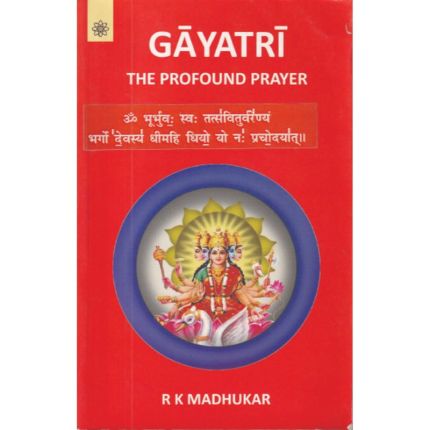
Gayatri
Gayatri is a sacred mahamantra. It is a universal prayer. The Vedas, Upanishads, puranas and various other ancient Hindu Scriptures sing in one voice the glory of Gayatri - the profound prayer. Since the Vedic times, Gayatri has been a daily prayer of the Hindus, chanted every morning and evening, addressed to Savitr, the power behind the Sun. Gayatri is considered the most exalted prayer, because unlike the other mantras, it does not seek material or worldly gains. It is a prayer that seeks the highest enlightement, the realization of the supreme being, which according to our sanathana Dharma, is the highest goal of every human being. Gayatri is, undoubtedly, the prayer or meditation meant for men and women everywhere, irrespective of their caste, creed, religion or nationality Om Gayatri.

Garuda : The Chariot of Vishnu
Garuda had been a powerful vehicle of Visnu, who participated in several wars fought by his master with the demons. The event of his bringing of the nectar from the heaven in order to relieve his mother of the bondage of the serpents is quite interesting, which, along with other events, has been suitably deal with in this works. Garuda not only adored the flags of the rulers but his seals were also embossed over the important documents in the past.

The Gitagovinda of Jayadeva
It desscribes the loves of Krsna and Radha in twelve cantos containing twenty-four songs. The songs are sung by Krsna or Radha or by Radha's mind and are connected by brief narrative or descriptive passages. The appropriate musical mode and rhythm for each song are noted in the text. This poem is really a kind of drama, of the ragakavya type, since it is usually acted.

Goddess Laksmi: Origin and Development


The Sakta Pithas
The sakta pithas by Dr D. C. Sircar, which is limited and precise in scope but has a wide appeal, brings honour to the young historian of Calcutta. Its basis is a critical edition of the Pithanimaya or Mahapithanirupana which is short treatise of the late period describing the fiftyone pilgrim spots associated with the Mother Goddess under some of her various names. Each one of the pithas is mentioned along with a particular form of the Goddess and that of siva associated with it.
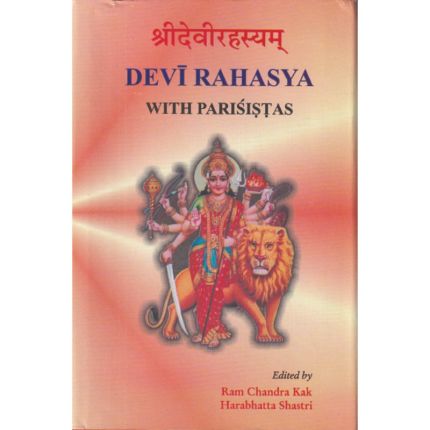
Devi Rahasya With Parisistas
The Devirahasya is traditionally supposed to form part of the bigger compilation called Rudrayamala. The Uddharakosa, though written in the form of a dialogue between Dakshinamurti and his disciple Akshobhya, is a collection of quotations from no less than fortyseven Tantric works. The Devirahasya in all its parts seemes to have been composed by some kashmirian writter because as already referred to above the goddesses Jvalamukhi, Sarika maharajni, Sarada, Bhida and Bala are popular and have their shrines in the kashmir valley.
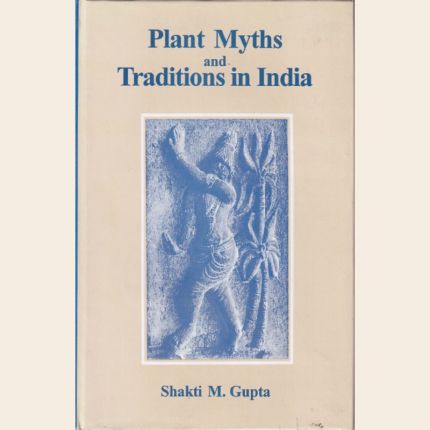
Plant Myths and Traditions in India
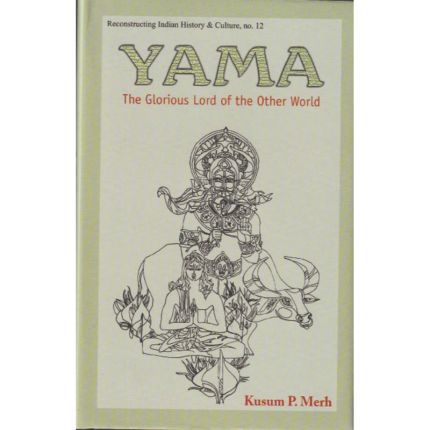
Yama
In the Hindu pantheon, Yama holds a unique place. A counterpart, in the indigenous tradition, of AvestanYima, Egyptian Osiris or Greek pluto, he inspires terror in the heart of an average mortal: not only owing to his overlordship of the abode of the dead, but also for his identification with death itself. Yama's image in Hindu mythology, however, has come to have many variants - which Dr.Mehr's study tries to capture against their essential literary settinngs.


Devimahatmyam
The Devimahatmya addresses the perennial questions of the nature of the universe, humankind, and divinity. Written in the form of a narrative of a dispossessed king, a merchant betrayed by the family he loves, and a seer, it presents a trilogy of myths concerning the all powerful Divine Mother, Durga, and the fierce battles she wages against throngs of demonic foes. These allegories represent our all-too-human impulses toward power, possessions, and pleasure.