


Advaita Vedanta


Vedantasara of Sadananda
₹150The achievements of the Indians in the field of Philosophy are really great and outstanding. Results being varied in nature and diverse in outlook, they have been classified under different heads. Each is known as a system of thaught but the term quite popular to refer to each one is a darsana. This term conveys the sense of intuition, that a seer had and hence was responsible for the development of the system besed on that particular intution, which may concern with truth or knowledge of soul.

Saundaryalahari of Sankaracarya
₹895The Saundaryalahari has fascinated and puzzled generations of scholars and laypersons; subject to continuing study and debate, till today, such details as the authorship of the 100 verses named the Saundaryalahari remain a matter of contention, particularly among scholars.
Nataraja Guru worked on the translation and commentary of the Saundaryalahari for a period of three and a half years, it is his last work and comes at the end of a life dedicated to the pursuit of the Absolute and those familiar with his work will recognize in it a kind of summing up of his life and teachings.

Life and Teachings of Adi Sankaracarya
₹350This book is intended for scholars, students and general readers. Accordingly, the early researches on the date and works of Sankara have been brought out in detail. Not only Sankara’s commentaries on the Upanisads, Bhagavad Gita and the Brahma Sutra but also the books attributed to him, especially the minor works (prakarana granthas) and hymns (stotras), have been narrated purposefully for the sake of students and general readers.

The Supreme Yoga : Yoga Vasistha
₹375The Yoga Vasistha has been a favourite book of spiritual seekers in India these several centuries. Its special appeal lies in its thoroughly rational approach, and in its presentation of Vedanta as a philosophy to bridge the gulf between the secular and the sacred, action and contemplation, in human life, through a comprehensive and lofty spirituality.
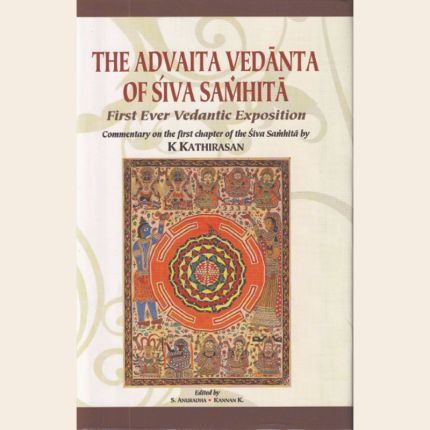
The Advaita Vedanta of Siva Samhita
₹350Siva Samhita has come to be known as one of the three source texts for the Hatha Yoga tradition. However, it is largely unknown to the world for its clear exposition of the subject of atmajnana or Self-Knowledge consistent with the tradition of the Upanisads and Advaita Vedanta as taught by Sankaracarya.
