Hinduism


Daily Practices of the Hindus
The Bridge to the Three Holy Cities
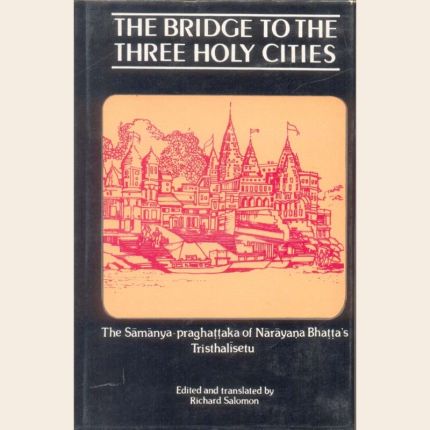
The study of holy places and pilgrimages to them is treated in the Hindu tradition as a sub-field, called tirtha, of the Dharmasastra. The Tristhalisetu or "Bridge to the Three Holy Cities" of Narayana Bhatta, written in Varanasi in the 16th century A.D., is recognized as the standard and most authoritative text of the voluminous tirtha literature.

Darsan Seeing The Divine Image in India


Hindu Samskaras
The Hindu Samskaras give expression to aspirations and ideals of the Hindus. They aim at securing the welfare of the performer and developing his personality. They go back to a hoary antiquity. The Vedas, the Brahmanas, the Grhyasutras, the Dharmasutras, the Smrtis and other treatises describe the rites, ceremonies and customs here and there but they do not present them in their historical evolution.
मृत्यु की दस्तक

The Oracle of Rama
Oracles are always popular because we are all interested in our destiny and the meaning of our lives. Particularly we want to know the future, which is always mysterious and uncertain. The proliferation of various New Age oracles, the multiplicity of Tarot cards, and the enduring interest in the I Ching are modern proof of this.
Sakta Contribution to Varanasi
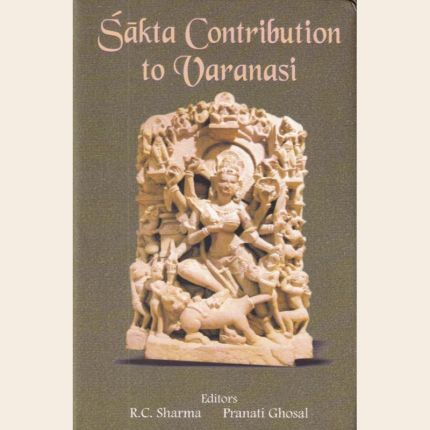
This book incorporates a good number of paperrs on multiple aspects of Sakta traditions practised in Varanasi continuing from hoary past to-date. Beside philosophical, religious and cultural leanings the contents expose the iconographic, ritualistic and artistic rendering of the Divine Mother. Kasi or Varanasi has been a stronghold of religious and spiritual fervour, and several religious sects have contributed to its present texture. Saktism has also been a forceful current in the cultural stream of this holy city. This is evidenced by several Devi temples, Sakti-pithas, yantras, fairs and festivals associated with the worship of Mother-Goddess.