


Hinduism
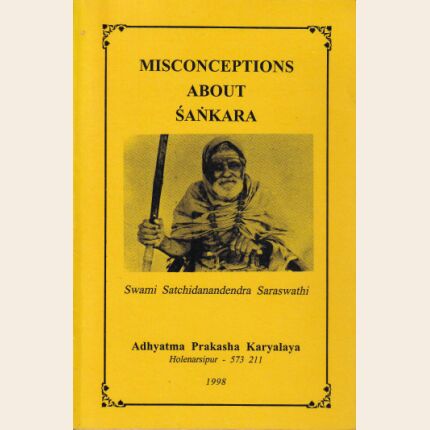
Misconceptions About Sankara
Philosophical Foundation of Hinduism

Poems to Siva
Composed by three poet-saints between the sixth and eight centuries A.D., the Tevaram Hymns are the primary scripture of Tamil Saivism, one of the first popular large-scale devotional movements within Hinduism. Indira Peterson eloquently renders into English a substantial portion of these hymns, which provide vivid and moving portraits of the images, myths, rites, and adoration of siva and which continue to be loved and sung by the millions of flowers of the Tamil Saiva tradition. Her introduction and annotations illuminate the work's literary, religious, and culture contexts, making this anthology a rich sourcebook for the study of the South Indian popular religion.

Puja & Samskara

Religions Of The World Hinduism
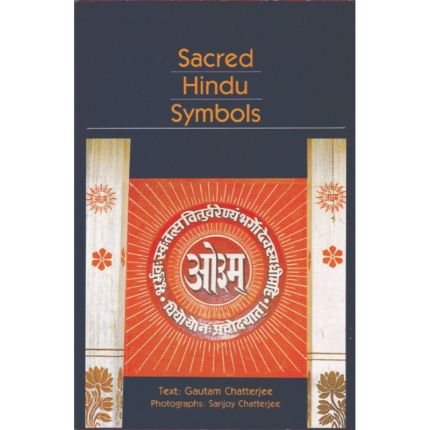
Sacred Hindu Symbols
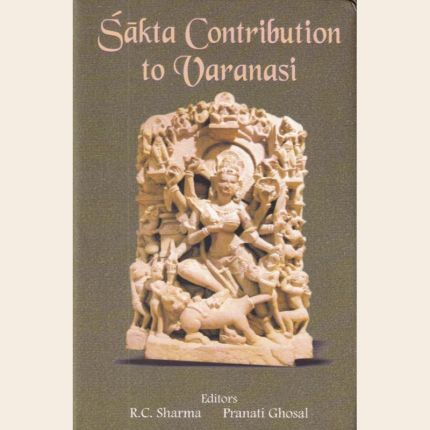
Sakta Contribution to Varanasi
This book incorporates a good number of paperrs on multiple aspects of Sakta traditions practised in Varanasi continuing from hoary past to-date. Beside philosophical, religious and cultural leanings the contents expose the iconographic, ritualistic and artistic rendering of the Divine Mother. Kasi or Varanasi has been a stronghold of religious and spiritual fervour, and several religious sects have contributed to its present texture. Saktism has also been a forceful current in the cultural stream of this holy city. This is evidenced by several Devi temples, Sakti-pithas, yantras, fairs and festivals associated with the worship of Mother-Goddess.


Subaltern Saints in India
The present era of complexity, anxiety and moral turpitude is in need of spiritual solace and God's grace more than ever before. The established frameworks of religion have not entirely been successful in streamlining the rapport between the marker and the creation. The emergence and progression of bhakti saints is a significant pointer in this direction. Living exemplary, realized lives on their own terms mostly in opposition to the given frame of life, the bhakti saints heralded a new possibility of the egalitarian order without any bigotry or dogmatism.

The Bridge to the Three Holy Cities
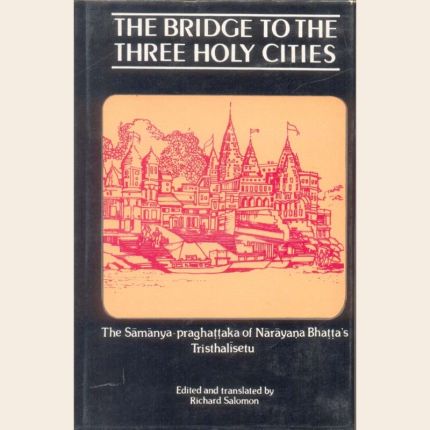
The study of holy places and pilgrimages to them is treated in the Hindu tradition as a sub-field, called tirtha, of the Dharmasastra. The Tristhalisetu or "Bridge to the Three Holy Cities" of Narayana Bhatta, written in Varanasi in the 16th century A.D., is recognized as the standard and most authoritative text of the voluminous tirtha literature.