


Default

Seeing God Everywhere Essays on Nature and the Sacred

The Goddess and The Slave The Fakir, the Mother and Maldevelopment
Drawing upon the rich inter-connected levels of meaning within the Fakir culture, especially with respect to the living, breathing paradigmatic Mother--as Nature, as the Goddess to be worshipped and as the mother whose service is her identity--The Goddess and the Slave demonstrates the crisis faced by the unique Baul-Fakir sadhana, by the non-urban Bengali, and by Indian society itself through the major changes brought by modernization and globalization.
Rudrani Fakir, as an anthropologist and as a practitioner, uses the Fakir sadhana as a critical tool of understanding, presenting this objective study through her highly engaged subjective perspectrive. The first part of this book outlines the Fakir society and esoteric sadhana. The second part delves into the decline and decay of the reality of the Goddess, the changing status of women and of the true nature of wealth, and draws together the threads of the old knowledge paradigms--esoteric and modern, spoken and wordless, powerless and empowered.

Sacred Art in East and West

The Khecarividya of Adinatha

The Hindu Pantheon in Nepalese Line Drawings

The Ganga Trail Foreign Accounts and Sketches of the River Scene

Purna Kalasa OR The Vase of Plenty
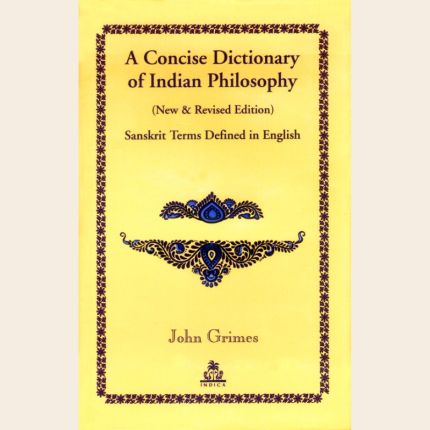
A Concise Dictionary of Indian Philosophy Sanskrit Terms Defined in English

Aesthetic Principles of Indian Art

Abhinavagupta Minor Works and Glossary (HB)


Tantric Yoga and the Wisdom Goddesses
Tantric Yoga and the Wisdom Goddesses is an excellent book introducing the essence of Hindu Tantrism. The book discusses all the major concepts and offers valuable corrections for many existing misconceptions. It also introduces the reader to the core Tantric practices of meditation and mantra recitation, focusing on the Ten Wisdom Goddesses (dasa-mahavidya).