


Default
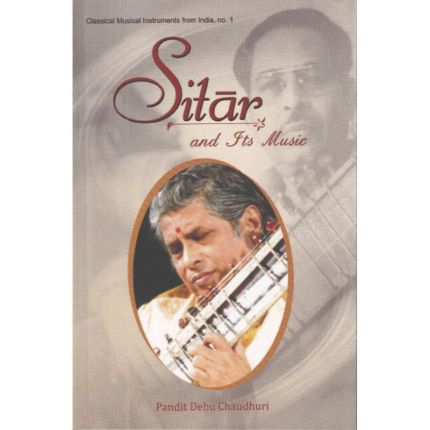
Sitar and Its Music
Sitar and Its Music is a revised and enlarged edition of a much sought after reference book on instrumental music, appeared as Sitar and its Techniques, in 1981. It is a serious attempt to convey the basic principles and allied information on sitar and its music, keeping in mind its absolute usefulness for the students who want to learn sitar and our great tradition.The book vividly deals with gharana, especially its contribution to the existing and traditional Indian classical music.
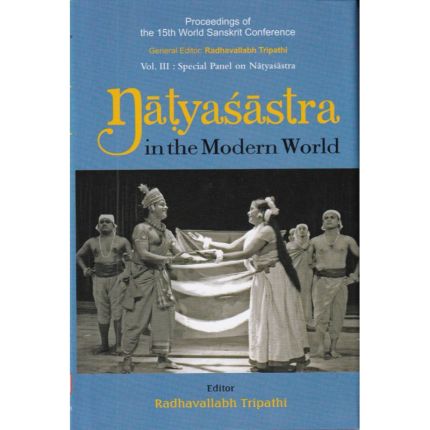
Natyasastra in the Modern World
This volume discusses in detail the divergent views on Natyasastra - its origin, concepts, philosophy, history, vrtti, impact on traditional stages, relevance in modern age and stage, and its applicability in post-modern stage. It also vividly talks about the interlinks between Natyasastra and the regional theatre forms with specific focus on south India. It therefore reinstates the fact that the regional theatric traditions have considerably contributed to the restructuring of Natyasastra texts.

Aesthetics

Classical Indian Philosophy Reinterpreted

Khayal Vocalism
Philosophical Foundation of Hinduism
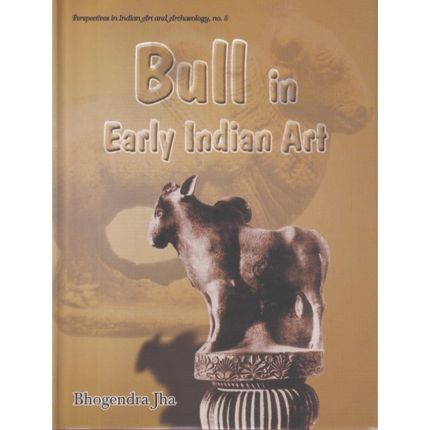
Bull in Early Indian Art

Movement And Mimesis
The author traces the growth of the techniques and forms of dancing and shows how the central tradition of the art, and also the oldest, expanded by contact with peripheral regional styles including foreign ones, and eventually merged with them into a synthessis that forms the basis of present-day classical dances of India.

Perspectives on The Origin of Indian Civilization
The earliest Indian inscriptions date from the third century before Christ. Archaeological and palaeo-anthropological evidence, as well as the Indian oral tradition, consistently point to the 'continuity' of the Indian Civilization back to a much earlier date. However, the question of the origin of Indian Civilization prior to that period remains open. There are three main schools of thought in this regard.

The Concept of War
War makes life miserable for both the praties involved, the invader and invaded. No war is fought without losing men and material, stripping off societal life and political order. Simultaneously it contributes to the progress of the society and preserves the liberty and honour of a state. From the Vedic period of India and the epic period of Greece, we have records of wars, and deliberations on the logic, Philosophy, Politics, ethics, strategies (pre- and post-war) of war, and the ways of reconstructing the war-ravaged societies, paving the way for drastic social and economic changes.

Advaita A Conceptual Analysis

Indian Philosophical Wisdom
The title of the book Indian Philosophical Wisdom: some Glimpses itself signifies its importance. Ineed, Philosophy is involved in every sphere of human life - literature, creative art, culture, etc. The author in her zeal to unravel the precious accumulated wisdom of Indian Philosophy delved in its treasure with different approaches - historical, analytical, comparative, etc. An attempt has been made in this book to expound Indian Philosophical systems and to analyse critically their logical implications.