


Default
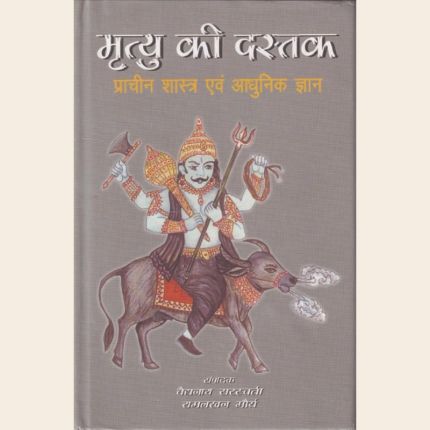
मृत्यु की दस्तक

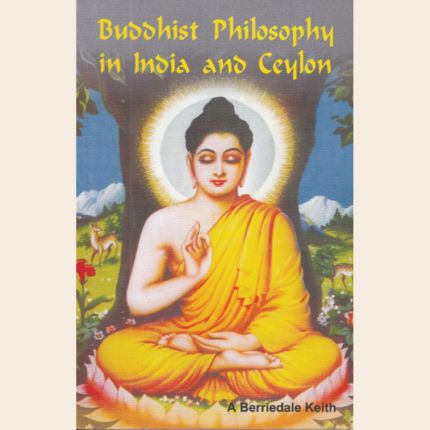
Buddhist Philosophy in India and Ceylon
This work attempts to dispel many misconceptions about the origin and development of Buddhist thought and philosophical systems. The approach adopted by the author steers clear of the customary attempts which try to assess the measure in which Buddhism, in the course of its development, attains conceptions familiar in the modern thought

Laksmi : The Consort of Visnu and Goddess of Wealth
Laksmi in Indian religious thought happens to be the spouse of Lord Visnu, she is said to have emerged as one of the gems from the churning of the ocean, jointly undertaken by the demons and the gods. Immediately after her emerging from the ocean she accepted lord Visnu as her lord. She has been in worship since time immemorial as an individual goddess as well as in the company of her lord Visnu.

The Origin of Raga
An attempt has been made to trace out the most popular and common term 'raga', its origin, techniques and also the course of its development from the Vedic period to this modern age of science. It also narrates raga in actual forms and its development through ancient and medieval times and as it is practised and performed by musicians of the present times. The style of expression is easy to understand and didactic.

Sarva Siddhanta Sangraha of Sankaracarya

Asoka Text and Glossary
The text and glossary are intended to provide the student of philology with a convenient handbook of Early Prakrit. The historian will find in this the ready means of checking various translations, sometimes misleading, of these important Indian documents of the third century B.C. The student of epigraphy must go to the Rocks and Pillars, or at least to estampages, photographs and plates-but in difficulties of interpretation he can find here for every Asokan form, as read up-to-date, all the passages where it occurs, or similar forms occur, with references to most at least of the literature on disputed forms.

TIBET’S GREAT YOGI MILAREPA
Mind-Body Dualism

Classical Indian Philosophy Reinterpreted

The Foundation Of Contemporary Yoga & Yoga Therapy
