Default

महाकविकालिदासविरचितं रघुवंशम
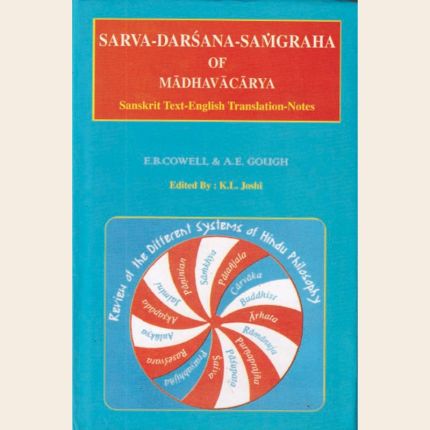
Sarva-Darsana-Samgraha of Madhavacarya

Navya-Nyaya Philosophy of Language
This book represents the philosophy of language in Navya-Nyaya, based upon an analysis of the ''Verbal Suffix Chapter'' of Gangesa's Tattvacintamani. Since this chapter elaborates what kind of verbal understanding is generated and discusses related issues, the book demonstrates the main features of that philosophy of language and serves as a good introduction to that. The analysis mainly deals with Gangesa, but in some cases it referes to Raghunatha. Since the book is an attempt to pursue philological exactness and philosophical analysis, it is hoped to interest not only Sanskrit scholars, but also philosophers in general.


The Spanda-Karikas with the Spanda-Nirnaya
The Spanda system owes its origin to Shivasutras and concerns itself with their elucidation and popularisation. The name of the commentary written by Ksemaraja is Spandanirnaya. It was undertaken at the request of his own pupil Sura. The present book contains translations of the Sutras of the Spandakarikas and Spandanirnaya.

History of the Sakta Religion
The Heritage of Sankara

Goddess Laksmi: Origin and Development
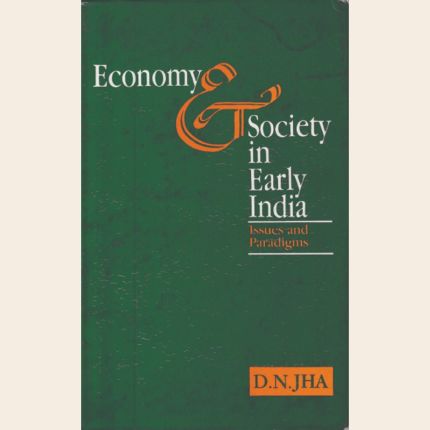
Economy & Society in Early India
This book is a refreshing study of some of the basic issues in the current historiographical debate on early Indian economy and society. It identifies major trends in the writings on early Indian economic history, and analyses the increasingly oppressive nature of ancient Indian land revenue system and the economic role of early medieval south Indian temples.
The Soul of India
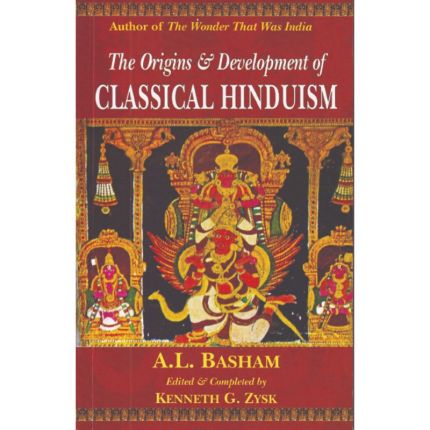
The Origins & Development of Classical Hinduism
The late A. L. Basham was one of the world's foremost authorities on ancient Indian culture and religion. Modelled on his monumental work The wonder that was india, this account of the origins and development of classical Hinduism represents a life time of reflection on the subject, and offers an intriguing introduction to one of richest of all Asian traditions.The Origins of Classical Hinduism clarifies much of Hinduism's enduring mystique. Offering an especially helpful bibliography, numerous illustrations of Hidu art never before published, and a lucid, accessible style, this book is much reading for anyone who has ever been intrigued by this fascinating religion.