


Default

Saundaryalahari of Sankaracarya
The Saundaryalahari has fascinated and puzzled generations of scholars and laypersons; subject to continuing study and debate, till today, such details as the authorship of the 100 verses named the Saundaryalahari remain a matter of contention, particularly among scholars.
Nataraja Guru worked on the translation and commentary of the Saundaryalahari for a period of three and a half years, it is his last work and comes at the end of a life dedicated to the pursuit of the Absolute and those familiar with his work will recognize in it a kind of summing up of his life and teachings.

Aditya Hrdayam

Eighty-Four Asanas in Yoga
Physical postures are the most important and often the only constituent of modern Yoga. Many practitioners believe that the postures derive from an ancient original set of eighty-four asanas. This book, for the first time, traces traditions of eighty-four postures by examining original materials, including drawings, descriptions in older Indic texts and modern publications which reflect contemporary traditions.

A Classical Dictionary of Hindu Mythology and Religion
The main portion of this work consists of mythology, but religion is bound up with mythology, and in many points the two are quite inseparable. Of history, in the true sense, Sanskrit possesses nothing, or next to nothing, but what little has been discovered here finds its place. The chief geographical names of the old writers also have received notice, and their localities and identifications are described so far as present knowledge extends.
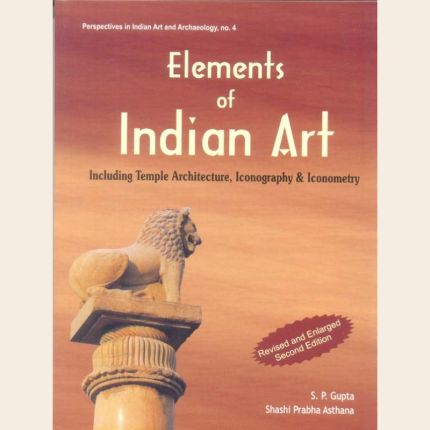
Elements of Indian Art
The book is a study of the fundamental principles of ancient Indian art and architecture, dealing with essentials of Hindu thinking and practice of art like the Hindu view of Godhead, iconography and iconometry, and symbols and symbolism in Hindu art. It undertakes a survey of Indian art and temple architecture from the 3rd century BCE through the mediaeval period. It elaborately views the various terms and concepts associated with the field of art and iconography like mudras, asanas, pithas, explaining the nature of Buddhist and Jain deities as well as those of Hindu sects like Saivism, Vaisnavism and Saktism.

Tantric Forms of Ganesa
The number of publications dealing with Ganesa is not insignificant, few take original Sanskrit texts into consideration. The Tantric aspects of the deity have certainly been studied too little. This book contributes to our knowledge of this less familiar side of Ganesa. This text gives the iconographic peculiarities, mantras, and yantras of fourteen forms of Ganesa as well as instructions for the ritual application of the mantras.
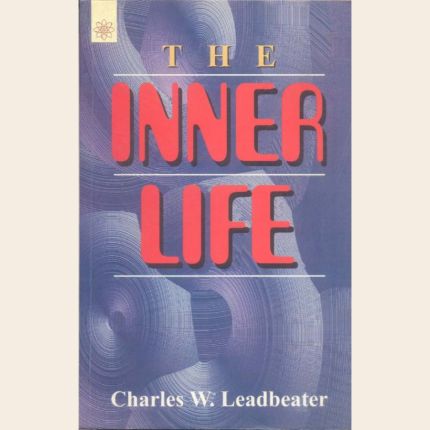
The Inner Life
The talks which comprise this book, The Inner Life were given to students of Leadbeater and Annie Besant, his close associate and fellow clairvoyant. Leadbeater assumed that his audience was thoroughly familiar with his enlarged world view. In this new edition it seems necessary to sketch out some of the main features of this view, to make the book easily comprehensible.

Mysticism in Shaivism and Christianity
If mysticism is hard to define, what is it then ? Or, why have mystics often spoken about what they have realized - notwithstanding the 'unspeakability' of a spiritual experience ? And, yet more significantly, how can a meeting point of different religious traditions be discovered at the mystical level ? Focussing on these and other related questions, eminent scholars from varying religious traditions here explore the nature of mystical experience in two of the world's major traditions: Hinduism and Christianity.
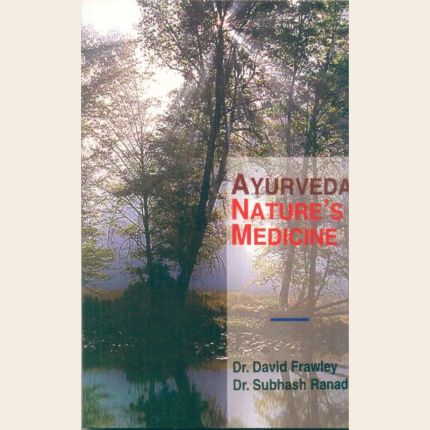
Ayurveda Nature’s Medicine
Ayurveda Nature's Medicine contains a full description of Ayurveda on all levels from diet and herbs to yoga and meditation, explaining both Ayurvedic diagnostic and treatment methods. It covers all the material found in two-year Ayurvedic programs in India for foreign students. Notably, it explains key Ayurvedic life-style recommendations for diet, exercise and sexuality, outlining daily and seasonal regimens for optimal health and vitality.
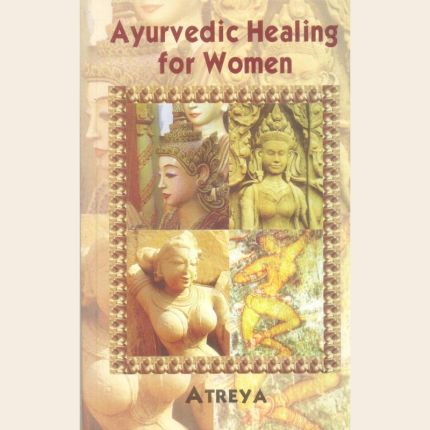
Ayurvedic Healing for Women
Ayurvedic Healing for Women is suitable as an introduction to ayurvedic thinking and healing for beginners. It is also suitable as a study guide for advanced students interested in the specific health problems concerning women today. There is an underlying beneficial and optimistic attitude that trusts the healing power of nature and gives a hopeful outlook and comfort to most of women's problems.
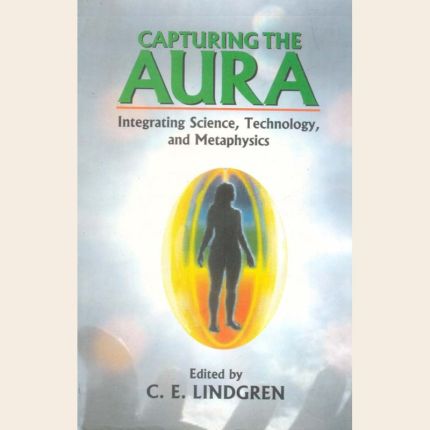
Capturing The Aura
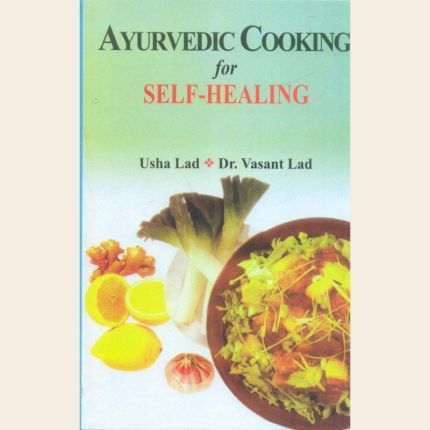
Ayurvedic Cooking for Self-Healing
In this book you will find simple, practical approaches to food and specific recipes from the Ayurvedic art of cooking to help restore the body's healthful balance. Though there is much helpful information within these covers, this book is not proposed as a treatment plan for any disease. This, of course, you must obtain from your own doctor.