


Default

The Abhijnanasakuntalam of Kalidasa

Devimahatmyam
The Devimahatmya addresses the perennial questions of the nature of the universe, humankind, and divinity. Written in the form of a narrative of a dispossessed king, a merchant betrayed by the family he loves, and a seer, it presents a trilogy of myths concerning the all powerful Divine Mother, Durga, and the fierce battles she wages against throngs of demonic foes. These allegories represent our all-too-human impulses toward power, possessions, and pleasure.

The Sacred Marriage of A Hindu Goddess
Moving beyond traditional understanding of the catagory of ''sacred marriage'' derived from studies of the ancient Near East, Harman reveals that sacred marriage in India functions as a devotional metaphor for Hindu devotees, a way understanding how deities act toward one another and toward who worship them. Combining sdystematic textual study with descriptive fieldwork, Harman offers us an original and perceptive exploration of the relationship between the human and the divine in Hindu life.
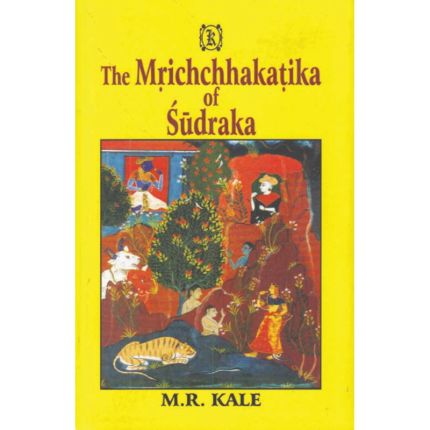
The Mrichchhakatika of Sudraka
Edited with the Commentary of Prithvidhara (enlarged where necessary), Various Readings, A Literal English translation, Notes, and an exhaustive Intrduction. No apology is needed for this neew edition of the Mrichchhakatika, as there is at present no suitable edition available which satisfies the needs of the University students, who have often to study this play for their examination.
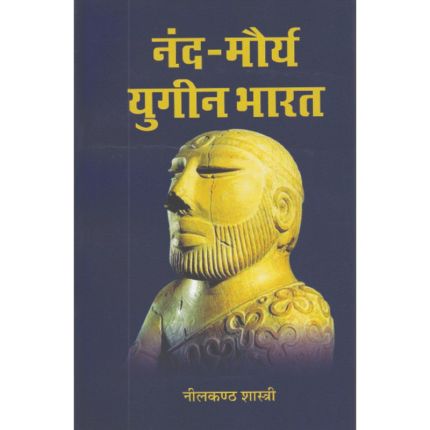
नंद -मौर्य युगीन भारत
प्रस्तुत पुस्तक अंग्रेजी भाषा में लिखित "ऐज ऑफ़ दि नन्दाज एंड मौर्याज " का हिंदी रूपांतरण है. मूल पुस्तक के संपादक प्रसिद्ध इतिहासवेत्ता आचार्य श्री नीलकंठ शास्त्री है जिन्होंने संपादन-कार्य के साथ-साथ इस ग्रन्थ के पांच अध्याय भी लिखे है. अन्य अध्यायों की रचना में सर्वश्री हेमचन्द्रराय चौधरी, जितेन्द्रनाथ बनर्जी, उपेन्द्रनाथ घोषाल, प्रबोधचंद्र बाग्ची , सुनिटिकुमार चटर्जी, वी राघवन, निहाररंजन रॉय इन आचार्यों के योगदान मिलता है.

Rasa in Aesthetics
The Indian tradition of criticism is over two millennia. And its rasa theory has, from the begining, essentially influenced authors, connoisseurs and art critics alike. First expounded sometime between the 1st century BC and the 4th century AD in the eminet aesthetician, Bharata's Natyasastra, rasa theory deals with the 'emotive content' of a work of art- how it is depicted, inferred and transmitted. Dr. Patnaik's book is a unique effort that demonstrates, with diverse examples, the universality of this ancient theory and its applicability to modern Western classics.
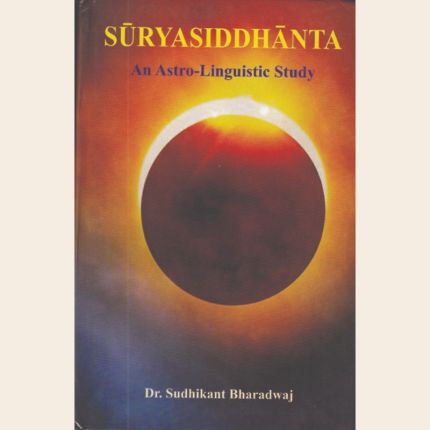
Suryasiddhanta
The real history of indian astronomy begins from the period of the Suryasiddhanta which is the only earliest full-fledged text on astronomy now extant. The copious work which India produced on the subject of astronomy in the later periods follows the system of the Suryasiddanta in all essential aspects.
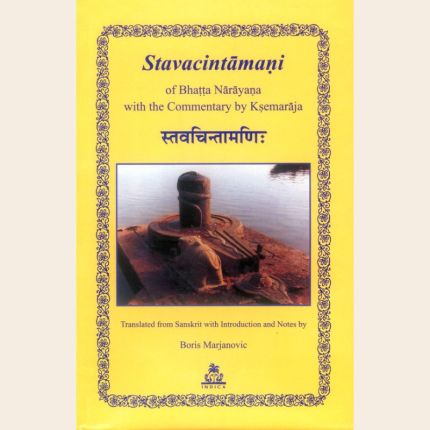
Stavacintamani of Bhatta Narayana with the Commentary by Ksemaraja
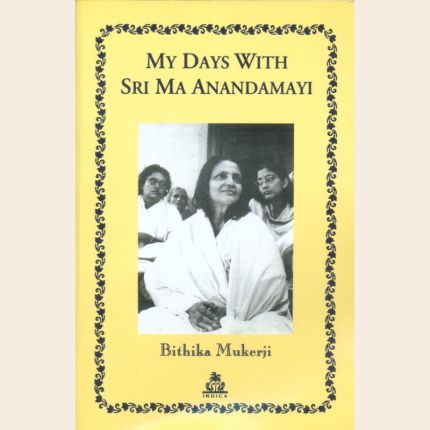
My Days with Sri Ma Anandamayi
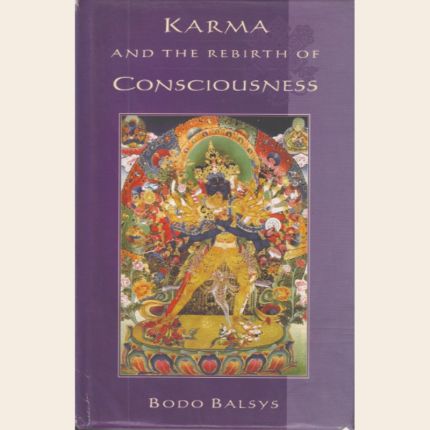
Karma and the Rebirth of Consciousness
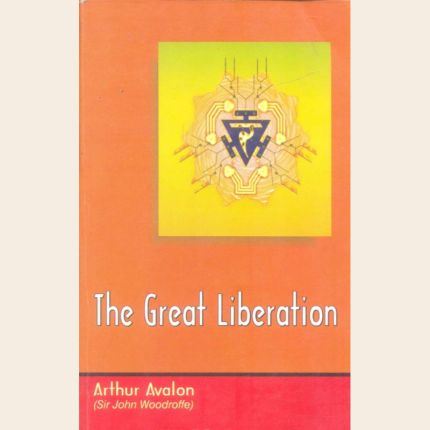
The Great Liberation

The Art of Tabla Rhythm
This authoritative work deals comprehensively with Tabla rhythm, focusing, if in brief, on its history and aesthetics. It is aimed at the Tabla student, the Tabla performer, as well as the inquiring listener of Hindustani music, for whom it encapsulates a Tabla practitioner's knowledge acquired over a lifetime of learning and teaching.