


Default
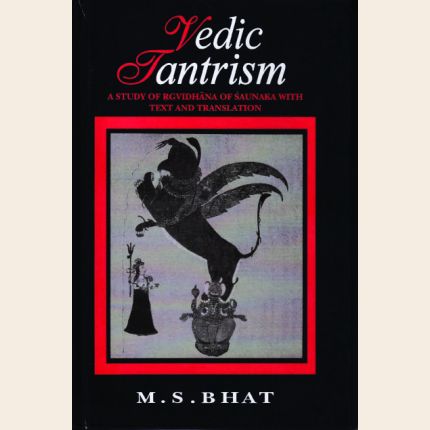
Vedic Tantrism A Study of Rgvidhana of Saunaka with Text and Translation

The Musical Heritage Of India

Ancient India As Described By Meghasthenes And Arrian

The Linga and the Great Goddess (HB)
Svami Karpatri (1907-1982), a revered contemporary sannyasin of exceptional personality, was renowned for his deep scriptural knowledge, which he used in his many writings to light up the Hindu orthodox point of view. The two significant articles presented here deal with the meaning of the Linga and the nature of the Great Goddess. Besides doctrinal and mythological clarifications, we find a sophisticated debate about the nature of sakti between two traditional schools: Nyaya and Mimamsa, which could be compared with those held in the times of Adi Sankara.

Science, Consciousness, Freedom
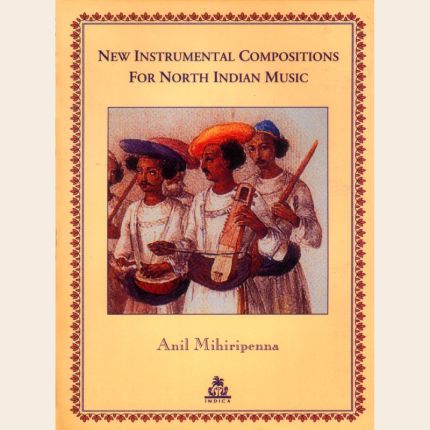
New Instrumental Compositions for North Indian Music
A Concise Dictionary of Indian Philosophy Sanskrit Terms Defined in English

Abhinavagupta Minor Works and Glossary (HB)

Maheshvarananda The Mahartha Manjari (HB)
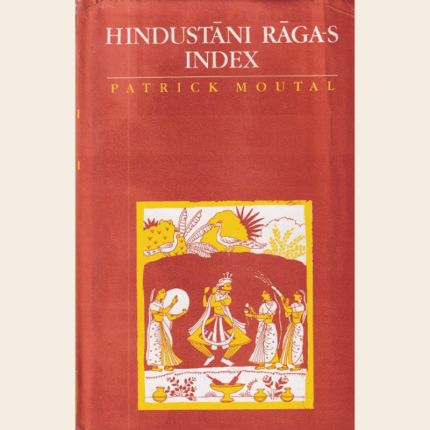
Hindustani Ragas Index
Hindustani Raga-s Index will prove quite useful to all musicians, scholars and students of music who need to consult the main contemporary Devanagari texts on Raga-s descriptions, compositions and Vistara-s. Browsing through the many tables of contents of these works in order to extract required information, is a time-consuming activity and Moutal's book, although non- exhaustive, will be a tremendous time-saver for consultation.

Hindu Deities
Hinduism is the term now used to summarize the religious aspirations of the majority of Indians. It includes a variety of highly intellectual, metaphysical and philosophical systems, as well as the naive demonology and magico-religious beliefs of the masses. Hinduism is also a synthesis of three, originally separate religious traditions: the Dravidian, the Aryan and the aboriginal.

Print and Power
Print and Power begins with an overview of Vietnam's lively public spheres, bringing debates from Europe and the rest of Asia to Vietnamese society as well as Vietnamese society as well as Vietnamese and East Asian understandings of public discourse and public space. Popular taste, rather than revolutionary or national ideology, determined to a large extent what was published, with limited intervention by the French authorities.