


Buddhism

सुत्तपिटके खुद्दनिकाये विमानवत्थुपालि, पेतवत्थुपालि (हिन्दी अनुवादसहित) , The Vimanavatthupali Petavathupali (Khuddakanikayapali) with hindi Translation

Mahamudra and Atiyoga
Mahamudra and Atiyoga are particular forms of Buddhist spirituality : Mahamudra, the 'Great Seal', is considered by Tibetan teachers to be the essence of both the short path and the final instructions that conclude the gradual common and esoteric paths of Buddhist doctrines; Atiyoga of 'Extreme Union' represents the Buddhist Dzogchen or 'Great Completeness' doctrine.

The Two Truths in Chinese Buddhism
This book originates from a thesis work whereby it is one of the first comprehensive study of Chi-tsang's treatment of The Two Truths in English. The work aims to build up a strong interest in readers, paritularly, people in Western societies who are unfamiliar with Chinese tradition, culture and language. It is, therefore, of considerable significance in enabling scholarly readers who do not have access to Chinese Originals to gain a well-rounded and diversified appreciation of Madhyamaka interpretation.

Bodily Self-Sacrifice in Indian Buddhist Literature
This is the first comprehensive study of a central narrative theme in premodern South Asian Buddhist literature: the Buddha's bodily self-sacrifice during his previous lives as a bodhisattva. Conducting close readings of stories from Sanskrit, Pali, Chinese, and Tibetan literature written between the third century B.C. and the late medieval period, Reiko Ohnuma argues that this theme has had a major impact on the development of Buddhist philosophy and culture.
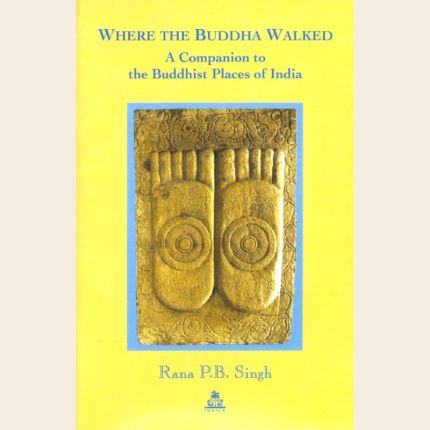
Where the Buddha Walked A Companion to the Buddhist Places of India (HB)
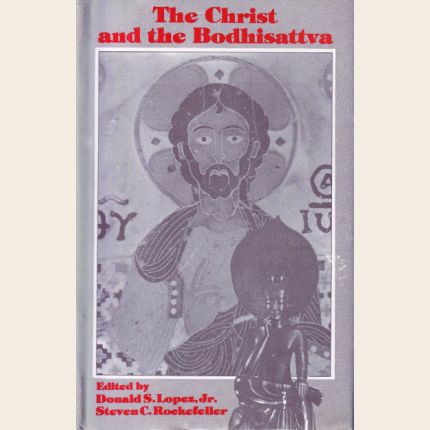
The Christ and The Bodhisattva

The Cult of Nothingness

The Lotus and The Lion
Buddhism is indisputably gaining prominence in the West, as is evidenced by the growth of Buddhist practice within many traditions and keen interest in meditation and mindfulness. In The Lotus and the Lion, the author traces the historical and cultural origins of Western Buddhism, showing that the British Empire was a primary engine for curiosity about and then engagement with the Buddhisms that the British encountered in India and elsewhere in Asia.

Print and Power
Print and Power begins with an overview of Vietnam's lively public spheres, bringing debates from Europe and the rest of Asia to Vietnamese society as well as Vietnamese society as well as Vietnamese and East Asian understandings of public discourse and public space. Popular taste, rather than revolutionary or national ideology, determined to a large extent what was published, with limited intervention by the French authorities.

Secrets of The Lotus
