Buddhism

SI-YU-KI
The reader who looks into the pages of this book will find ample material for study on some important questions; the different manners and customs of separate people, the various products of the different soils and the diverse class divisions of the society; when Buddhism flourished and when Buddhism declined as also how the devoted pilgrims encountered the perils of travel in foreign and distant lands and endured sufferings by desert, mountain and sea.

Sons And Daughter of The Buddha

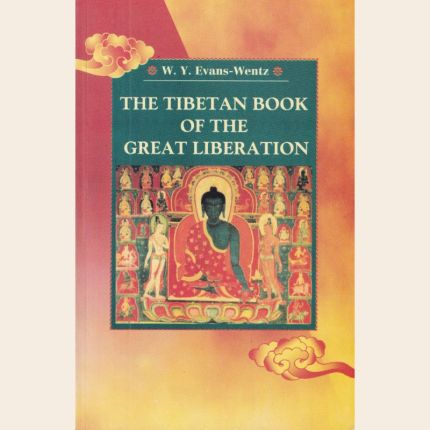
The Tibetan Book of The Great Liberation
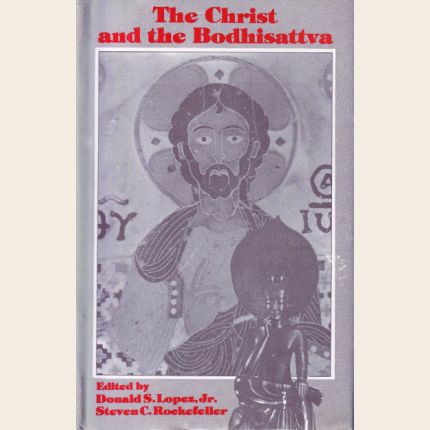
The Christ and The Bodhisattva

The Cult of Nothingness
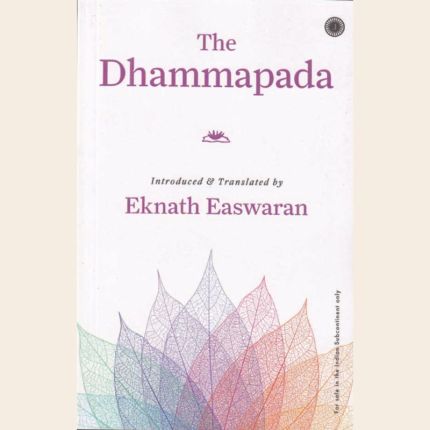
The Dhammapada
Dhammapada means''the path of dharma,''the path of truth, harmony, and righteousness that anyone can follow to reach the highest good. Easwaran's translation of this classic Buddhist text is based on the oldest, best-known version in Pali. Dhammapada gives an overview of the Buddha's teachings that is reliable, penetrating, and clear-accessible for readers new to Buddhism, but also with fresh insights and practical applications for readers familiar with this text.

The life of Milarepa

The Lotus and The Lion
Buddhism is indisputably gaining prominence in the West, as is evidenced by the growth of Buddhist practice within many traditions and keen interest in meditation and mindfulness. In The Lotus and the Lion, the author traces the historical and cultural origins of Western Buddhism, showing that the British Empire was a primary engine for curiosity about and then engagement with the Buddhisms that the British encountered in India and elsewhere in Asia.

The Religion of India
Max Weber's early twentieth-century study of the religions and civilization of India is a great pioneering adventure in the sociology of ancient India. Weber's insight and analysis-especially his application of the sociological perspective to the work of classical Indologists and the religious texts available to him-were to add much to the store of the social scientist. Later, historians and archaeologist were to confirm a surprising number of Weber's theories.
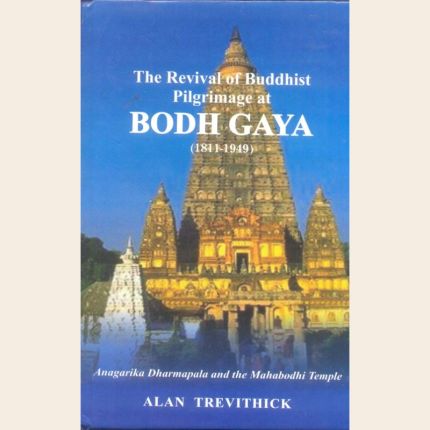
The Revival of Buddhist Pilgrimage at Bodh Gaya (1811-1949)
Alan Trevithick spent three years research primary documents in New Delhi, Sarnath, Colombo, and London, in order to present this history (1874-1949) of the Mahabodhi Temple at Bodh Gaya. This is the first such account, and it details for the first time the administrative, legal and legislative activities which shaped the temple's current status as one of the world's most popular pilgrimage sites. Also included is an innovative biographical essay on Anagarika Dharmapala, the Sinhalese activist who first came to India in the late 19th century as a guest of the Theosophical Society: his subsequent actions substantially affected the development of Bodh Gaya as a site of international importance.

The Tibetan Book of the Dead
The Tibetan Book of the Dead contains a detailed portrayal of the teachings that play a major role in the Tibetan understanding of death and dying. It is basically a collection of Buddhist scriptures that offer significant insights into the psychology of death and dying and suggests the importance of meditative practice and knowledge as tools for self-understanding.