


Archaeology

Man and His Becoming
Richard C. Nicholson's translation of Rene Guenon's Man and His Becoming is an exposition of the 'nature and constitution of the human being' in the light of the doctrines of Vedanta which echoes the Upanishadic message, 'there is one only without a second.' Other traditional views like Nyaya, Vaisesika, Sankhya, Yoga and Mimamsa are referred to wherever necessary.


Imperial Gupta Epigraphs
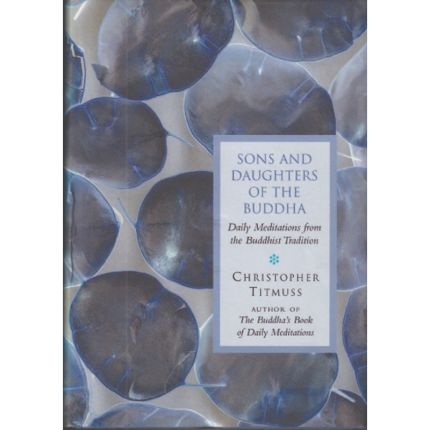
Sons And Daughter of The Buddha

History of Anncient India
The object of this volume is to provide within a moderate compass a compendious account of the history, institutions, and culture of ancient India from the dim ages of antiquity to the establishment of Moslem rule. It has not been planned to meet the needs of any particular class of readers. Its primary purpose is to serve alike students, scholars, and all others, interested in the study of ancient Indian history, as a book of ready use and reference.

Perspectives in Social and Economic History of Early India
The book begins with a survey of the sources of the social and economic history of early India, and reviews the writings from the late ninteenth to the mid-twentieth centuries on social history. It discusses the problems of caste and gender relations, and shows the role of divination and communication in fostering social control and cohesion.

Ancient Indian Mother-Goddess Votive Discs
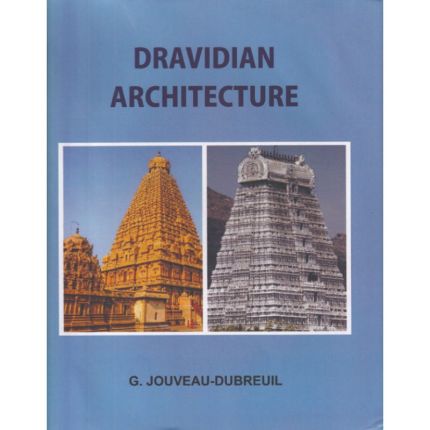
Dravidian Architecture
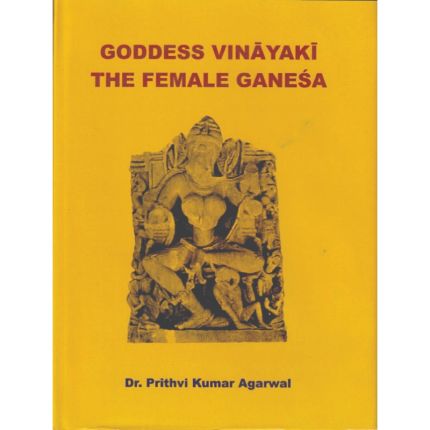
Goddess Vinayaki The Female Ganesa
Recently there has been quite a good deal of fresh study and writing on some less known and minor aspects of Indian iconography. One such example is that of the female form of the god Ganesa. Alice Getty Published in her monograph on ganesa an image-stele showing Ganesa as a female from the Causatha Yogini Temple at Bheraghat, Jabalpur district, Madhya Pradesh.
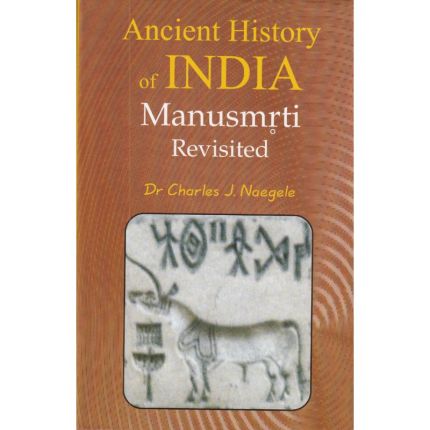
Ancient History of India
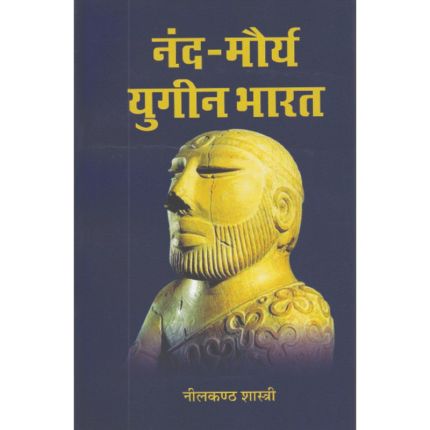
नंद -मौर्य युगीन भारत
प्रस्तुत पुस्तक अंग्रेजी भाषा में लिखित "ऐज ऑफ़ दि नन्दाज एंड मौर्याज " का हिंदी रूपांतरण है. मूल पुस्तक के संपादक प्रसिद्ध इतिहासवेत्ता आचार्य श्री नीलकंठ शास्त्री है जिन्होंने संपादन-कार्य के साथ-साथ इस ग्रन्थ के पांच अध्याय भी लिखे है. अन्य अध्यायों की रचना में सर्वश्री हेमचन्द्रराय चौधरी, जितेन्द्रनाथ बनर्जी, उपेन्द्रनाथ घोषाल, प्रबोधचंद्र बाग्ची , सुनिटिकुमार चटर्जी, वी राघवन, निहाररंजन रॉय इन आचार्यों के योगदान मिलता है.

Age of The Nandas & Mauryas
The age of the Nandas and Mauryas (c. 400-185 B.C.) witnessed great changes sweeping over the face of Western Asia, over lands with which India had much to do from the dawn of history, and account must be taken of their effects, direct and indirect, on the political, economic and artistic life of India. In this seminal period when Indo-Aryan civilization may be said to have attained its maturity, India did not hesitate to borrow political and economic plans and artistic motifs from abroad, and put them to the most appropriate uses in her own institutions and monuments.