


Tantra
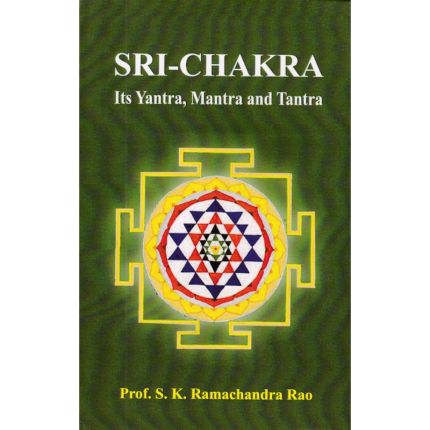
Sri-Chakra Its Yantra, Mantra and Tantra


Studies on The Tantras
Man has a natural tendency to enjoyment, and does not generally welcome renunciation. He finds it difficult to call upon the Lord in a pure and simple way, and instinctively hugs to his bosom some amount of impurity in the midst of purity. Even through renouncing lust and wealth, he would like to have a passing glimpse of them. Hence it is that we find that immediately after stating distinctly in his sacred books that the worship of the Divine Mother should be performed in the purest way possible, he also makes room fore some queer sensuous songs in them on the plea that these will be pleasing on the Goddess.

Swara Yoga The Tantric science of Brain Breathing

Tantra
A complex body of religious practices that spread throughout the Hindu,Buddhist, and Jain traditions; a form of spirituality that seemingly combines sexuality, sensual pleasure ,and the full range of physical experience with the religious life - Tantra has played a central yet conflicted role in the Western imagination ever since the first ''discovery '' of Indian religions by European scholars. Always radical, always extremely other, Tantra has proved to be a key factor in the imagining of India. This book offers a critical account of how the phenomenon came to be.

Tantra Mantra Yantra

Tantra Vidya

Tantrasara by Abhinavagupta (HB)
Tantrasara is an extensive digest and recension of Tantraloka, a magnum opus by Acarya Abhinavaguptapada. The author himself created this digest to have a comprehensive study of the voluminous text, as this great and important text is not easy to absorb by everyone in a larger study material form. The complete text (10th century A.D.) is a compendium of all Tantrika rituals and philosophical essence of Tantra, drawn from the light of all pre-precepts on Indian Tantra till the time of the creator. This text consists of thirty seven chapters. It reflects on Tantra from the background of Kashmir Shaivism which is known as the monistic philosophy of Shaivism with the technical term Pratyabhijna. Abhinavagupta explains here in a lucid way about the ways to worship the Supreme Consciousness in order to attain this state of Absolute ecstasy and liberation in one single life of mankind. This work is before the English-speaking world for the first time in a hermeneutic way.

Tantrasara by Abhinavagupta (PB)
Tantrasara is an extensive digest and recension of Tantraloka, a magnum opus by Acarya Abhinavaguptapada. The author himself created this digest to have a comprehensive study of the voluminous text, as this great and important text is not easy to absorb by everyone in a larger study material form. The complete text (10th century A.D.) is a compendium of all Tantrika rituals and philosophical essence of Tantra, drawn from the light of all pre-precepts on Indian Tantra till the time of the creator. This text consists of thirty seven chapters. It reflects on Tantra from the background of Kashmir Shaivism which is known as the monistic philosophy of Shaivism with the technical term Pratyabhijna. Abhinavagupta explains here in a lucid way about the ways to worship the Supreme Consciousness in order to attain this state of Absolute ecstasy and liberation in one single life of mankind. This work is before the English-speaking world for the first time in a hermeneutic way.
