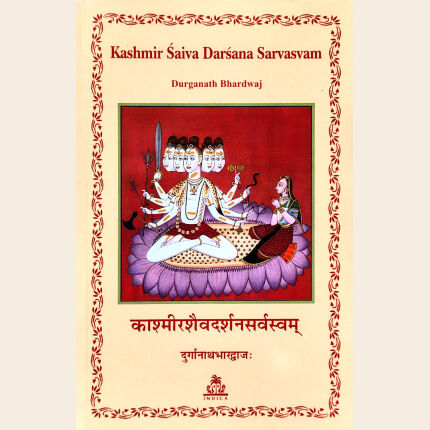
Our Publications

The Goddess and The Slave The Fakir, the Mother and Maldevelopment
Drawing upon the rich inter-connected levels of meaning within the Fakir culture, especially with respect to the living, breathing paradigmatic Mother--as Nature, as the Goddess to be worshipped and as the mother whose service is her identity--The Goddess and the Slave demonstrates the crisis faced by the unique Baul-Fakir sadhana, by the non-urban Bengali, and by Indian society itself through the major changes brought by modernization and globalization.
Rudrani Fakir, as an anthropologist and as a practitioner, uses the Fakir sadhana as a critical tool of understanding, presenting this objective study through her highly engaged subjective perspectrive. The first part of this book outlines the Fakir society and esoteric sadhana. The second part delves into the decline and decay of the reality of the Goddess, the changing status of women and of the true nature of wealth, and draws together the threads of the old knowledge paradigms--esoteric and modern, spoken and wordless, powerless and empowered.

Sacred Art in East and West

Textiles of Banaras

The Khecarividya of Adinatha

The Hindu Pantheon in Nepalese Line Drawings

The Ganga Trail Foreign Accounts and Sketches of the River Scene

Holy Kashi to Vibrant Varanasi
Kashi/Banaras/Varanasi is a world of its own, a veritable mini India, unique in almost all respects. Its contradictions can be seen in its blend of spirituality and darkness, sanctity and filth, purity and deceipt, culture and grossness.
Luminous Kashi to Vibrant Varanasi presents, as no other book has done before, all these aspects of this paradoxical and fascinating city, and gives an amazing quantity of information on the city, its history, culture and people; its temples and tirthas, mathas and institutions; its scholars, some of them the best in the country; its festivals and lilas; its literature, music, painting and culture; its silk trade and crafts; and its typical inhabitants: sadhus, pandits, pandas, babus, rais, thugs and gundas. More than all, the book finds out, with the help of mythology and metaphysics, the essence of Kashi-its luminosity and its vibrancy! It finally says: walk not in the dark alleys, plunge not in the shallows, but more into the luminosity, and dive deep into the oceans of knowledge. The Kashi you find depends on how far you walk, how deep you dive!
A Concise Dictionary of Indian Philosophy Sanskrit Terms Defined in English

Confusions in Advaita Vedanta (HB)

The Shatakas of Bhartrihari
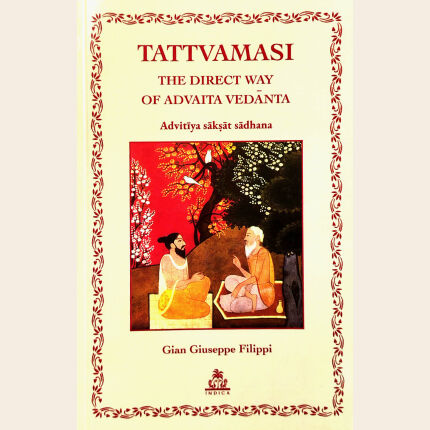
Tattvamasi The Direct Way of Advaita Vedanta. Advitiya Sakshat Sadhana