


Hinduism


The Oracle of Rama
Oracles are always popular because we are all interested in our destiny and the meaning of our lives. Particularly we want to know the future, which is always mysterious and uncertain. The proliferation of various New Age oracles, the multiplicity of Tarot cards, and the enduring interest in the I Ching are modern proof of this.
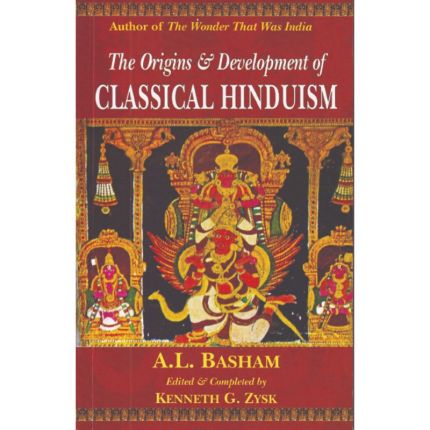
The Origins & Development of Classical Hinduism
The late A. L. Basham was one of the world's foremost authorities on ancient Indian culture and religion. Modelled on his monumental work The wonder that was india, this account of the origins and development of classical Hinduism represents a life time of reflection on the subject, and offers an intriguing introduction to one of richest of all Asian traditions.The Origins of Classical Hinduism clarifies much of Hinduism's enduring mystique. Offering an especially helpful bibliography, numerous illustrations of Hidu art never before published, and a lucid, accessible style, this book is much reading for anyone who has ever been intrigued by this fascinating religion.
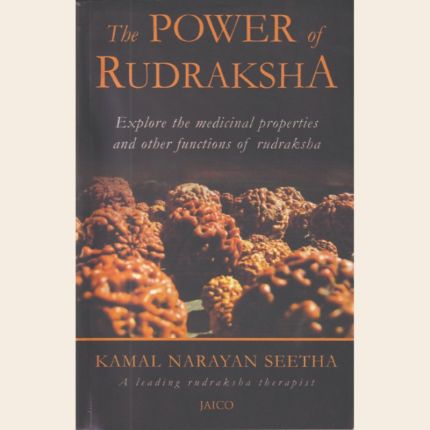
The Power of Rudraksha
Rudraksha is an ancient bead known for its divinity, positive results on human mind and for good health. The subject is diverse and complex due to variety of opinions and different descriptions available in ancient epics as well as in some recent books. The Rudraksha is greatly respected and revered as Lord Shiva's tears the wearing of which will end sorrows and heal ailments.

The Sacred Marriage of A Hindu Goddess
Moving beyond traditional understanding of the catagory of ''sacred marriage'' derived from studies of the ancient Near East, Harman reveals that sacred marriage in India functions as a devotional metaphor for Hindu devotees, a way understanding how deities act toward one another and toward who worship them. Combining sdystematic textual study with descriptive fieldwork, Harman offers us an original and perceptive exploration of the relationship between the human and the divine in Hindu life.

The Sakta Pithas
The sakta pithas by Dr D. C. Sircar, which is limited and precise in scope but has a wide appeal, brings honour to the young historian of Calcutta. Its basis is a critical edition of the Pithanimaya or Mahapithanirupana which is short treatise of the late period describing the fiftyone pilgrim spots associated with the Mother Goddess under some of her various names. Each one of the pithas is mentioned along with a particular form of the Goddess and that of siva associated with it.


The Tyagaraja Cult in Tamilnadu
Tyagaraja is a Somaskanda and the first visual representation of this composite deity can be traced to the time of pallava rule. The concept of Somaskanda is unique to Tamilnadu. The Cola monarchs were devotees of Tyagaraja. The book analyses the Tyagaraja Cult from three perspectives: as a religious synthesiser, socio-cultural integrator and legitimiser of the ideologies of the State.


