Default

Kashmir Saivism The Central Philosophy of Tantrism
Dr. Mishra's comprehensive book is learned without being tedious; philosophical without being intellectually arid; and readable without being banal. Above all, it preserves the aroma of spiritual practice that is fundamental to the Pratyabhijna tradition. Anyone interested in the metaphysics of spiritual practice or in Yoga and Tantrism will read this book with immense profit.--Georg Feuerstein, Ph.D.
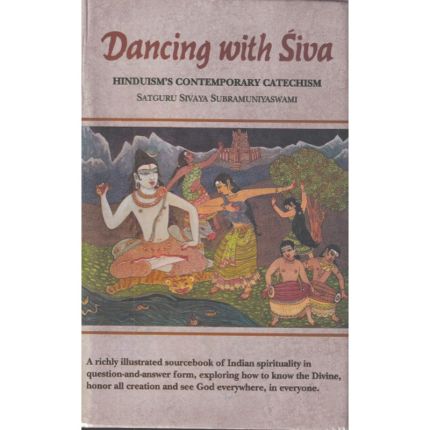
Dancing With Siva

Fundamentals of Hindustani Classical Music
This approach Fundamentals of Hindustani Classical Music is aimed for readers who have some elementary knowledge of Hindustani Music, but wish to delve deeper into the subject to understand the science and art of music. This book essentially aims at explaining to the reader all aspects of Indian music through simple language.

The Theory and Practice of Mantra
The contents of this book focus on the evolution and practice of mantra. This work consists of five chapters. The second and third chapters discuss the historical speculation of mantra and the purpose of mantric practice and its practical aspect in Brahmanic and Buddhist traditions respectively. The fourth chapter draws out the basic theory of mantric practice, and clarifies the role of mantra and Esoteric Buddhism.

Dancing with Siva
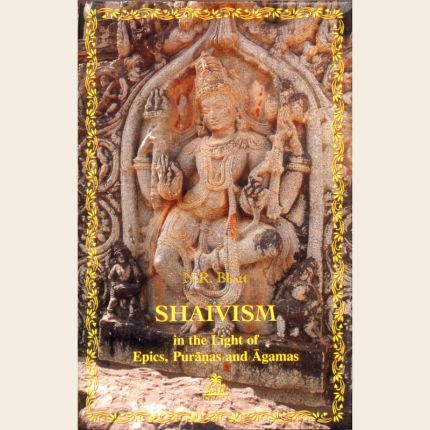
Shaivism in the Light of Epics, Puranas and Agamas

Kathaka The Tradition

Interstate Relations in Northern India Circa 800-1200 CE
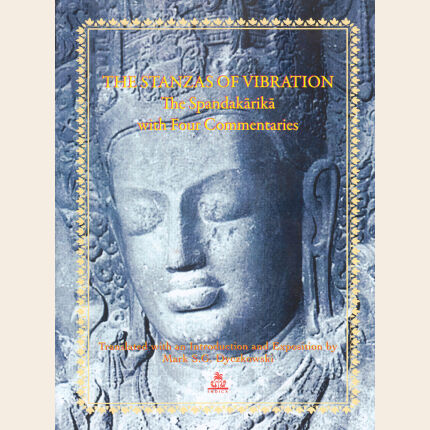
The Stanzas on Vibration (PB)
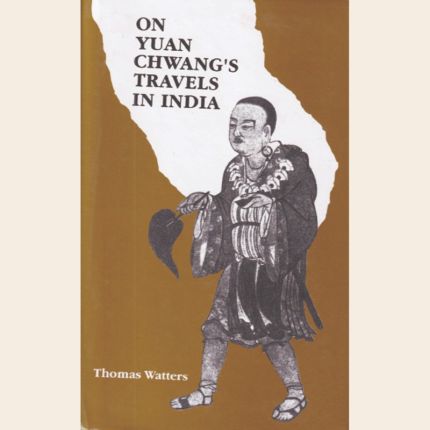
On Yuan Chwang’s Travels in India
Yuan Chwang or Hiuen Tsiang, the famous Chinese traveller, commands such a high seat of eminence that he is styled as ''one of the three mirrors that reflect Indian Buddhism'' in the country of his birth. To us in India too, he is no ordinary mirror, for had it not been for the records which he so diligently maintained of his visit to India during AD 629 to 645, a good part of our past, of our history, that too of one of the golden periods of this land, would have been lost in the limbo of oblivion. To Yuan Chwang goes the gratitude of all Indians as well as Indian historians.

The Mahabharata and Greek Mythology
The few thousand-year-old history of the human race, just as the much shorter history of urban societies and the written tradition, is a story of encounters, of exchanges, and the formation, alteration and disappearance of those specific groupings of people and their legacies which we call cultures or societies. Progress is the fruit of our capacity to create, to work together, to accept and reinterpret all that has been discovered and all that has been learned.