


Default
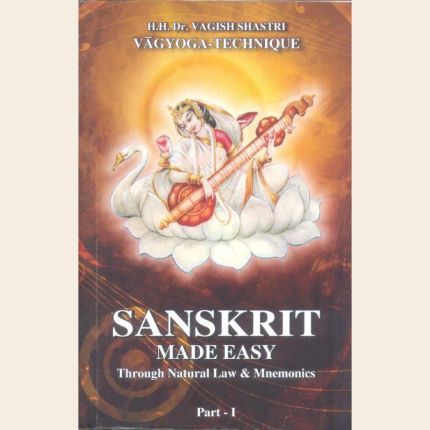
Sanskrit Made Easy (Part-1)

Eighty-Four Asanas in Yoga
Physical postures are the most important and often the only constituent of modern Yoga. Many practitioners believe that the postures derive from an ancient original set of eighty-four asanas. This book, for the first time, traces traditions of eighty-four postures by examining original materials, including drawings, descriptions in older Indic texts and modern publications which reflect contemporary traditions.
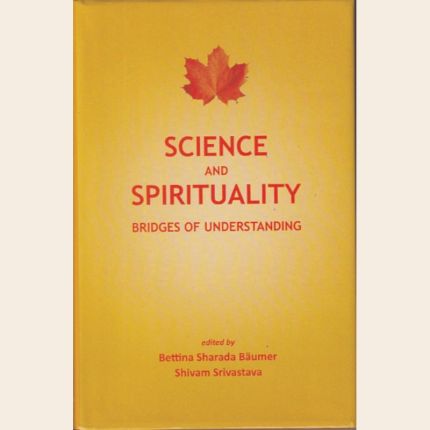
Science and Spirituality

The Doctrine of Vibration
This book is significant from four points of view. First, it breaks new ground in Indian philosophy. According to the Spanda Doctrine, the self is not simply witnessing consciousness as maintained by Sankya and Vedanta, but is an active force. Second, the ultimate reality is not simply a logical system of abstract categories, but is living, pulsating energy, the source of all manifestation.
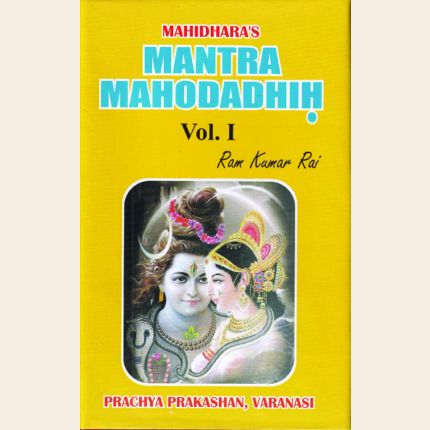
Mahidhara’s Mantra Mohodadhih (vol. I)

Mahidhara’s Mantra Mohodadhih (vol. II )

Science And Spirituality
A dialogue between Science and spirituality is a necessity in our times where both, differences and mutual enrichment of the two great fields of human approach to reality, are taking place. This volume adresses this need from the perspective of different areas of science and spiritual tradition. The starting point is the intention of the founder of the IIAS, Dr S. Radhakrishnan, who saw that '' both the practice of science and experience of spirituality are intimately related to being human ''.

Theory of Karma
The ancient Vedantic knowledge reinforced by Brahmasutra and Bhagavadgita establish that it is, purely and solidly, the result (karmaphala) of earlier actions (karmas) of each one of the sentient entities. This is a strong and formidable solution to the unanswered questions like why does, one child being blessed to be born in either rich or healthy and sattvic family and another child being consigned to be born in a family living in poor conditions or unhealthy tamasic environment.
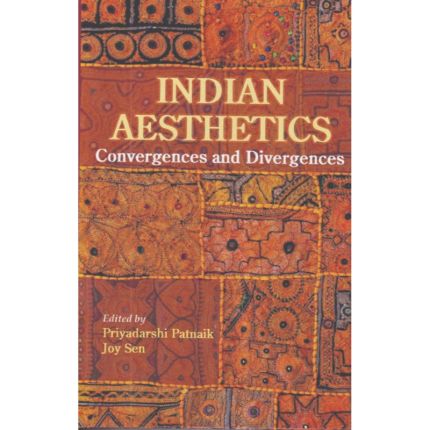
Indian Aesthetics
Indian aesthetics encompasses traditions and texts that focus on literary, visual, structural and performative productions of a wide range of art forms that delight, entertain, provoke their audience in ways that are relevant to the life. These art forms result in various responses such as delight, emotional relish, and enjoyment. In their convergence with other arts, different Indian art forms, be it cinema, dance, drama, music, literature or sculpture, have practised a ''give and take'' policy all through their history.
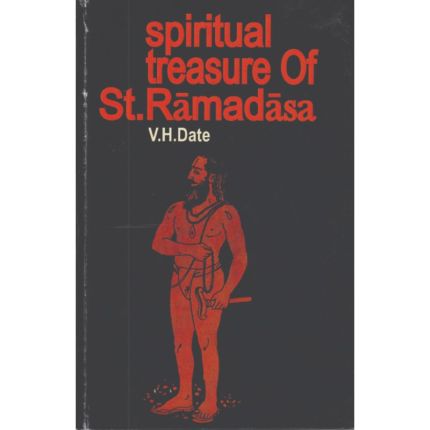
Spiritual treasure of St. Ramadasa
To write about the different modes of worshipping God and to say about the relation between the devotee and God without referencen to the speculative problems in philosophy is also easy. But to take into consideration both the intellectual quest of the philosopher and the actual devotional interest and practice of an aspirant and the experiences and the mature wisdom of a saint, and then to construct a philosophy of religion which all easy. This becomes all the more difficult when one has to deal with the polytheistic belief of the Hindus, and then to reconcile it with monotheism and monism, and to synthesize it future with mystical realization.
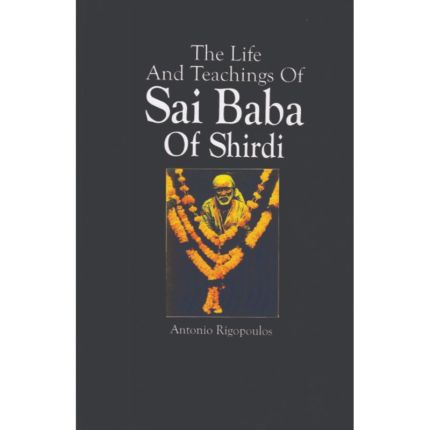
The Life And Teachings Of Sai Baba Of Shirdi
