Default
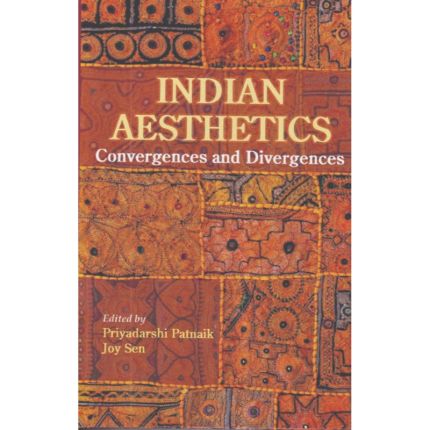
Indian Aesthetics
Indian aesthetics encompasses traditions and texts that focus on literary, visual, structural and performative productions of a wide range of art forms that delight, entertain, provoke their audience in ways that are relevant to the life. These art forms result in various responses such as delight, emotional relish, and enjoyment. In their convergence with other arts, different Indian art forms, be it cinema, dance, drama, music, literature or sculpture, have practised a ''give and take'' policy all through their history.

Brahman and the World
This book proposes to take up the question of Universal Causation to examine thoroughly as how far it is right to regard Brahman as the Universal Cause and how far sutrakara himself lent his support to each of the interconflicting schools of Vedanta. This book should, therefore, benefit all who are devoted to the philosophic teachings of Advaita Vedanta and its preceptors.
Mind-Body Dualism

Jnana-Yoga

Buddhism as / in Performance

Description in Philosophy
Husserl and Wittgenstein broke off from the traditional attitude towards philosophy; they presented no ideologies, systems or theories but aspired to describe what one sees. In the present book, Dr. Krishna Jain discusses the manner in which they pursued the concept of desciptive philosophy in their own philosophical set up and also analyses the hazards which inevitably arise in the way of faithful description and with the idea of faithful description itself.
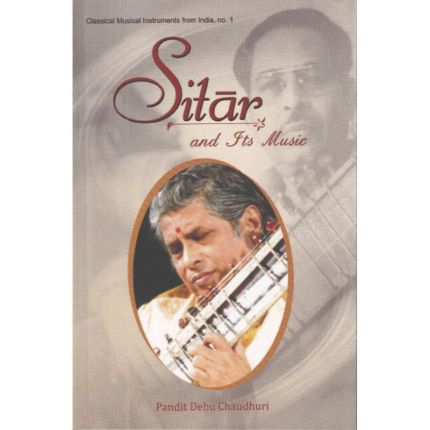
Sitar and Its Music
Sitar and Its Music is a revised and enlarged edition of a much sought after reference book on instrumental music, appeared as Sitar and its Techniques, in 1981. It is a serious attempt to convey the basic principles and allied information on sitar and its music, keeping in mind its absolute usefulness for the students who want to learn sitar and our great tradition.The book vividly deals with gharana, especially its contribution to the existing and traditional Indian classical music.
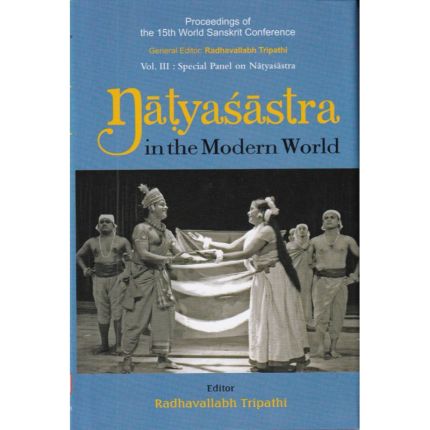
Natyasastra in the Modern World
This volume discusses in detail the divergent views on Natyasastra - its origin, concepts, philosophy, history, vrtti, impact on traditional stages, relevance in modern age and stage, and its applicability in post-modern stage. It also vividly talks about the interlinks between Natyasastra and the regional theatre forms with specific focus on south India. It therefore reinstates the fact that the regional theatric traditions have considerably contributed to the restructuring of Natyasastra texts.
Aesthetics

Classical Indian Philosophy Reinterpreted

Khayal Vocalism