


Default
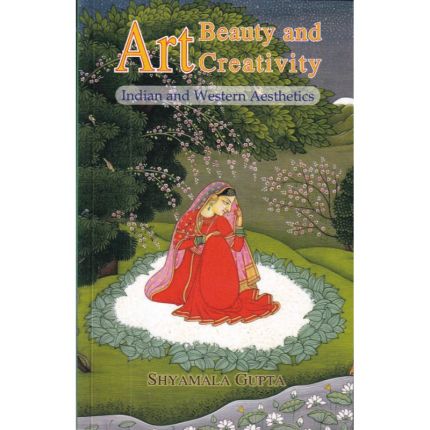
Art Beauty and Creativity
The book is an attempt, among other things, to bring together Indian and Western theories of art, and engage them in a constructive debate with one another. In recent philosophical thinking about art, it has been suggested that the concept of art is a local institutional concept. It is institutions located within a culture that determine-so the argument goes- whether and whether it is good or bad art. While this may be true ofthe concept of art, as it taken the shape in modern west, there is, surely, a larger, more global concept of art which links it with our concern, the beauty,which is common to all mankind.The book is an attempt, among other things, to bring together Indian and Western theories of art, and engage them in a constructive debate with one another. In recent philosophical thinking about art, it has been suggested that the concept of art is a local institutional concept. It is institutions located within a culture that determine-so the argument goes- whether and whether it is good or bad art. While this may be true ofthe concept of art, as it taken the shape in modern west, there is, surely, a larger, more global concept of art which links it with our concern, the beauty,which is common to all mankind.
Chandragupta Maurya
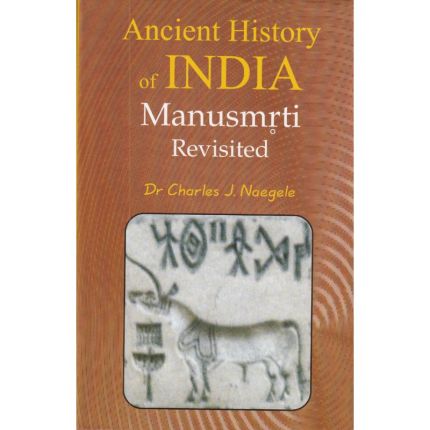
Ancient History of India

Advaita Metaphysics
This book undertakes the study of Advaitavada of sankara in its depth and extension. It spells out the relative cogency of Malkani's understanding of Advaita Metaphysics and Methodology, Murty's Critique of Advaita (nondualism) and Misra's Philosophical Construction of Advaita from a linguistic perspective. This volume centres around the formulations of the Advaita theory of monism on the basis epistemological and logical analysis of knowledge in Adhyasa Bhasya.

Idealistic Thought in Indian Philosophy
The author has attempted to show how the Idealistic thought of a primary stage reached its acme step by step.The book explains what Idealism signifies in its different shades with special reference to the Idealistic schools of Indian Philosophy and also speaks about the rise and growth of Idealistic thought from the Vedic times till the final establishment of Drsti-Srsti-Vada in the Kevaladvaita Vedanta vis-a-vis the Srsti-Drsti-Vada of the same school.

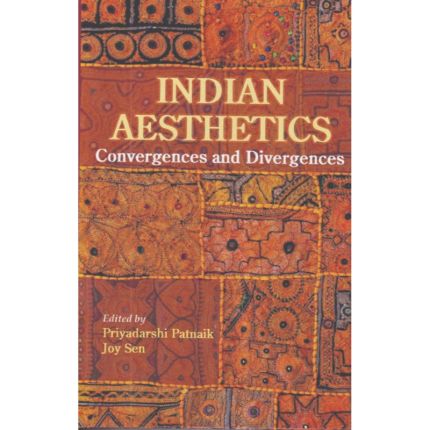
Indian Aesthetics
Indian aesthetics encompasses traditions and texts that focus on literary, visual, structural and performative productions of a wide range of art forms that delight, entertain, provoke their audience in ways that are relevant to the life. These art forms result in various responses such as delight, emotional relish, and enjoyment. In their convergence with other arts, different Indian art forms, be it cinema, dance, drama, music, literature or sculpture, have practised a ''give and take'' policy all through their history.

Brahman and the World
This book proposes to take up the question of Universal Causation to examine thoroughly as how far it is right to regard Brahman as the Universal Cause and how far sutrakara himself lent his support to each of the interconflicting schools of Vedanta. This book should, therefore, benefit all who are devoted to the philosophic teachings of Advaita Vedanta and its preceptors.
Mind-Body Dualism

Jnana-Yoga

Buddhism as / in Performance

Description in Philosophy
Husserl and Wittgenstein broke off from the traditional attitude towards philosophy; they presented no ideologies, systems or theories but aspired to describe what one sees. In the present book, Dr. Krishna Jain discusses the manner in which they pursued the concept of desciptive philosophy in their own philosophical set up and also analyses the hazards which inevitably arise in the way of faithful description and with the idea of faithful description itself.