Default

Theory of Karma
The ancient Vedantic knowledge reinforced by Brahmasutra and Bhagavadgita establish that it is, purely and solidly, the result (karmaphala) of earlier actions (karmas) of each one of the sentient entities. This is a strong and formidable solution to the unanswered questions like why does, one child being blessed to be born in either rich or healthy and sattvic family and another child being consigned to be born in a family living in poor conditions or unhealthy tamasic environment.

Thug or a Million Murders
Thug or a Million Murders is the history of the ancient practice of murdering pilgrims and the their goods which was especially prevalent in north India. Though the practice of robbing pilgrims was common the world over and the Christian and Muslim pilgrims both faced this problem it appears to have been more organised and even to some extent ritualistic in the central Indian plains.

TIBET’S GREAT YOGI MILAREPA
Tibetan Healing Handbook

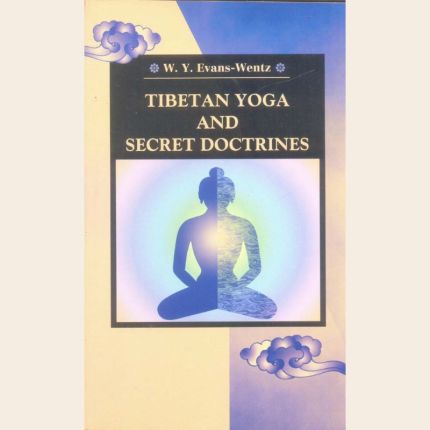
Tibetan Yoga and Secret Doctrines
This book is a successful attempt to place on record carefully made translations of texts which are still a subject of curiosity to Western readers. It also contains a body of orally transmitted traditions and teachings relating to texts collected from the Late Lama Kazi-Dawa-Samdup. W.Y.Evans-Wentz has described in a very lucid manner the philosophy and yoga systems of the great Tibetan yogis including Tilopa, Naropa, and Milarepa.

Time In Indian Philosophy

Together We Are One
What is your true name? Where is your true home? Zen Master Thich Nhat Hanh demonstrates how connecting with our ancestors and our unique cultural backgrounds can lead us to a deeper sense of community. The book inlcudes insights on how to heal our individual and collective suffering, personal stories from people of many backgrounds and teachings on mindfulness practice. This is a deeply inspirational and practical guide.

Transcendent Journey
TSwami Jnanananda Giri (1929–2015) was born in Zürich/Switzerland. He went to India at the age of twenty-two and joined in 1956 the ancient order of sannyasis (renunciates) who devote their lives to yoga, meditation and self-realization.
Swami Jnanananda never left India again. After his guru passed away he led the life of a wandering mendicant. Relying on God alone he travelled far and wide through India, particularly to the ancient places of pilgrimage and to many less known holy sites. His life was rich in encounters with saints, yogis and healers of manifold denominations. This life story he narrates in this book.
Gradually he became a guru himself and gathered a small group of disciples around him. He finally settled in the outskirts of the Himalayan hill station Mussoorie and lived in a tiny hut in the forest. For the last decade of his life this daily rhythm continued in Dehradun at the foot of the Himalayas, in his disciple Maitreyi’s house.

Understanding The Dalai Lama

Universal History of Music
Music pervades all nature. There is nothing in nature that arouses our attention of effects our feelings so quickly as a sound. The book furnishes an account of the music of various nations-civilized to uncivilized, on the faces of the habitable globe. A few facts concerning Hindu music are given a place in the Appendix.