


Default

Bodily Self-Sacrifice in Indian Buddhist Literature
This is the first comprehensive study of a central narrative theme in premodern South Asian Buddhist literature: the Buddha's bodily self-sacrifice during his previous lives as a bodhisattva. Conducting close readings of stories from Sanskrit, Pali, Chinese, and Tibetan literature written between the third century B.C. and the late medieval period, Reiko Ohnuma argues that this theme has had a major impact on the development of Buddhist philosophy and culture.

Jaina Theory of Reality

Jaina Philosophy of Language
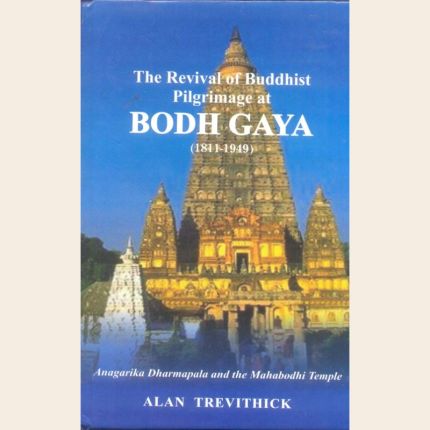
The Revival of Buddhist Pilgrimage at Bodh Gaya (1811-1949)
Alan Trevithick spent three years research primary documents in New Delhi, Sarnath, Colombo, and London, in order to present this history (1874-1949) of the Mahabodhi Temple at Bodh Gaya. This is the first such account, and it details for the first time the administrative, legal and legislative activities which shaped the temple's current status as one of the world's most popular pilgrimage sites. Also included is an innovative biographical essay on Anagarika Dharmapala, the Sinhalese activist who first came to India in the late 19th century as a guest of the Theosophical Society: his subsequent actions substantially affected the development of Bodh Gaya as a site of international importance.

The Two Truths in Chinese Buddhism
This book originates from a thesis work whereby it is one of the first comprehensive study of Chi-tsang's treatment of The Two Truths in English. The work aims to build up a strong interest in readers, paritularly, people in Western societies who are unfamiliar with Chinese tradition, culture and language. It is, therefore, of considerable significance in enabling scholarly readers who do not have access to Chinese Originals to gain a well-rounded and diversified appreciation of Madhyamaka interpretation.
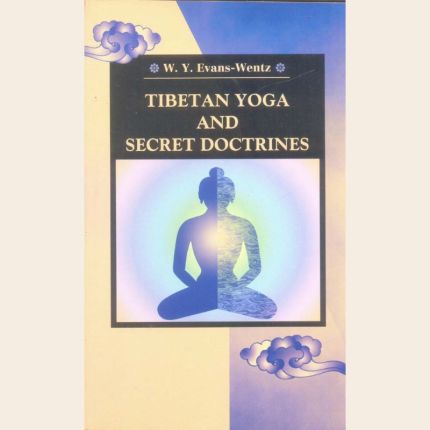
Tibetan Yoga and Secret Doctrines
This book is a successful attempt to place on record carefully made translations of texts which are still a subject of curiosity to Western readers. It also contains a body of orally transmitted traditions and teachings relating to texts collected from the Late Lama Kazi-Dawa-Samdup. W.Y.Evans-Wentz has described in a very lucid manner the philosophy and yoga systems of the great Tibetan yogis including Tilopa, Naropa, and Milarepa.

The Tibetan Book of the Dead
The Tibetan Book of the Dead contains a detailed portrayal of the teachings that play a major role in the Tibetan understanding of death and dying. It is basically a collection of Buddhist scriptures that offer significant insights into the psychology of death and dying and suggests the importance of meditative practice and knowledge as tools for self-understanding.

Hermeneutics and Tradition in the Samdhinirmocana-sutra

Who is this Shama Churn?
"Who is this Shamachurn" is essentially a book for soul-seekers. It expounds the fact that spirituality transcends religion and the subtle juxtaposition of the various facets of spirituality, makes the truly interested and analytical reader pause and glean it's intrinsic essence. The avid reader is spellbound at such an univocal exegesis on Shamachurn and as he goes deeper and deeper finds himself being bathed by the cascades of an all-pervasive spiritual ethos heretofore not experienced while discerningly reading books on Shamachurn.


