


Default
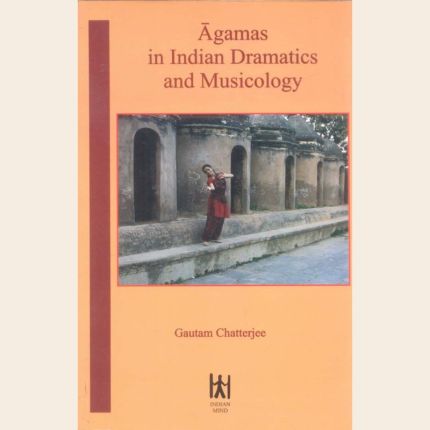
Agamas in Indian Dramatics and Musicology
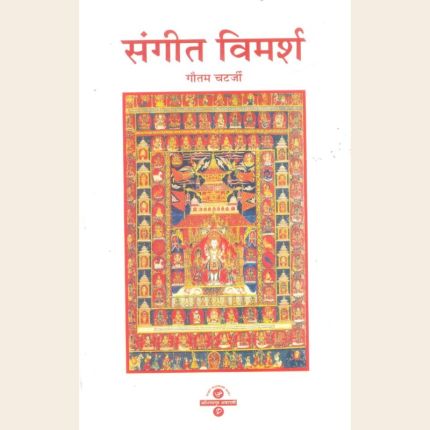
संगीत विमर्श
पुस्तक के पच्चीस अध्यायों को पच्चीस शोध के रूप में देखा जा सकता है. संगीत के प्राचीन और मह्त्त्वपूर्ण आकर ग्रंथों पर आगम के प्रभाव पर कभी गहन शोध नहीं हुआ, न ही इस ढंग से विस्तृत विचार हुआ की संगीत और आगम में परस्पर अतयंतिक सम्बन्ध है, या की इन परस्पर विमर्श आरम्भ हो. दो एक पुस्तकों में संक्षेप में इस पर चर्चा जरूर है.

Yogirajadhiraj Swami Vishuddhanand Paramahansadeva
Baba Vishuddhanandaji the master of Yoga and self-realization who lived in the first half of this century was an embodiment of Yoga and knowledge of reality combined with compassion for one and all. Babaji possessed the eight siddhis Anima, Mahima etc., and demonstrated the same to his admirers. Surya-Vijnan, Chandra-Vijnan, Nakshatra-Vijnan and Vayu-Vijnan worked at his command. Dr. Gopinath Kaviraj, deeply struck by his feats in his early years became his disciple all his life and got his initiation in Mantras. It is a pity that Independent India has not produced even one of Baba's type.

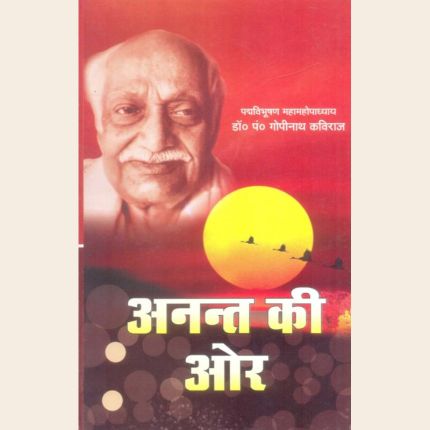
मनीषी की लोकयात्रा
कविराज जी के दार्शनिक चिंतन और कृतित्व से भारतीय संस्कृति तथा साहित्य अनेक विध समृद्ध हुआ है. वाराणसेय संस्कृत विश्वविद्यालय (पूर्व गवर्नमेंट संस्कृत कॉलेज, बनारस) और उसका विश्वप्रसिद्ध 'सरस्वती-भवन' विविध रूपों में उनके द्वारा की गयी सेवाओं से ही वर्त्तमान स्थिति प्राप्त करने में समर्थ हुआ. यह हिंदी-भाषी क्षेत्र का सौभाग्य था की पूर्वी बंगाल में जन्मा ग्रहण करते हुए भी इस महापुरुष की शिक्षा-दीक्षा और साधना भूमि होने का गौरव उसे प्राप्त हुआ. भौतिक दृष्टि से जन्मभूमि के आकर्षक एवं उत्कर्षविधायक प्रलोभनों तथा दबाओं के बावजूद इनकी काशिनिष्ठा ढृढ़ रही और वही आजीवन इनकी क्षेत्र-संन्यास-स्थली बानी रही. इनका अपना विशीष्ट क्षेत्र दर्शन, भक्तिसाधना तथा तंत्र था. इन विषयों पर पिछले पचास वर्षों में निर्मित हिंदी साहित्य के वे प्रमुख प्रेरणास्रोत रहे हैं.


Confusions in Advaita Vedanta

Six Vedic Systems of Indian Philosophy
This book professes to be no more than a description of some of the salient points of each of the six systems of Indian philosophy. It does not claim to be exhaustive. It is calculated to appeal to the beginners and to arouse their curiosity in the subject. I hope that this presentation of the fundamental tenents of the six systems of Indian philosophy will be superseded by a more comprehensive examination of Indian philosophy.

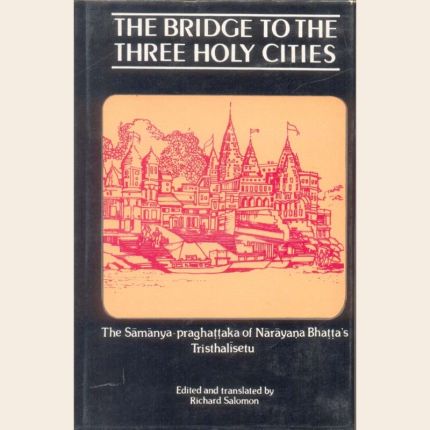
The Bridge to the Three Holy Cities
The study of holy places and pilgrimages to them is treated in the Hindu tradition as a sub-field, called tirtha, of the Dharmasastra. The Tristhalisetu or "Bridge to the Three Holy Cities" of Narayana Bhatta, written in Varanasi in the 16th century A.D., is recognized as the standard and most authoritative text of the voluminous tirtha literature.
