


Default
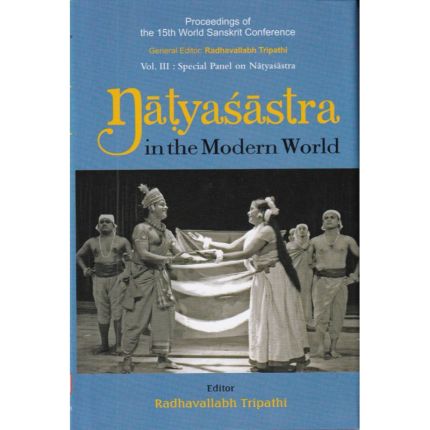
Natyasastra in the Modern World
This volume discusses in detail the divergent views on Natyasastra - its origin, concepts, philosophy, history, vrtti, impact on traditional stages, relevance in modern age and stage, and its applicability in post-modern stage. It also vividly talks about the interlinks between Natyasastra and the regional theatre forms with specific focus on south India. It therefore reinstates the fact that the regional theatric traditions have considerably contributed to the restructuring of Natyasastra texts.

Perspectives on The Origin of Indian Civilization
The earliest Indian inscriptions date from the third century before Christ. Archaeological and palaeo-anthropological evidence, as well as the Indian oral tradition, consistently point to the 'continuity' of the Indian Civilization back to a much earlier date. However, the question of the origin of Indian Civilization prior to that period remains open. There are three main schools of thought in this regard.

Shaiva Devotional Songs of Kashmir

Sarada-Tilaka Tantram
Paramesvaragamah

Fundamentals of Indian Philosophy
Indian philosophy reflects some of the earliest thought-traditions in human history. Its foundations can be traced to ancient minds and their capacity for insatiable curiosity and constant meditation. The Indian thinkers of old aimed their pragmatic philosophies at not just the satisfaction of intellectual curiosity or pursuit of theoretical truths but actually the assimilation of intellectually discerned and established truths into one's own personality for a life of freedom and enlightenment. This is true of modern Indian philosophers, like Sri Aurobindo and Dr. Radhakrishnan, as well. Fundamentals of Indian Philosophy reflects the vastness and richness of this philosophic tradition in a comprehensive and all-embracing yet compact presentation that lays bare the essentials of Indian philosophy.

Foundations of Indian Aesthetics

Ramana Maharshi The Crown Jewel of Advaita (HB)
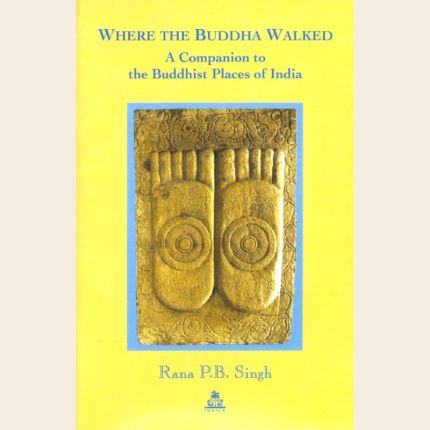
Where the Buddha Walked A Companion to the Buddhist Places of India (HB)

Bodily Self-Sacrifice in Indian Buddhist Literature
This is the first comprehensive study of a central narrative theme in premodern South Asian Buddhist literature: the Buddha's bodily self-sacrifice during his previous lives as a bodhisattva. Conducting close readings of stories from Sanskrit, Pali, Chinese, and Tibetan literature written between the third century B.C. and the late medieval period, Reiko Ohnuma argues that this theme has had a major impact on the development of Buddhist philosophy and culture.

The Two Truths in Chinese Buddhism
This book originates from a thesis work whereby it is one of the first comprehensive study of Chi-tsang's treatment of The Two Truths in English. The work aims to build up a strong interest in readers, paritularly, people in Western societies who are unfamiliar with Chinese tradition, culture and language. It is, therefore, of considerable significance in enabling scholarly readers who do not have access to Chinese Originals to gain a well-rounded and diversified appreciation of Madhyamaka interpretation.

Revealing the Art of Natyasastra
This book unveils the secret world of Indian classical theatre-the fundamental principles of sublime grace, stage presence, and effective communication of emotions. It analyzes the techniques of Centripetal Effect, Centre Point, and the Introspective Illusion that influence the presentation of plays. It also analyzes the secret of grace. Bharata Muni has given an unbelievably detailed study of the facial muscles and head movements. He orders What to do but not Why ?