


Buddhism
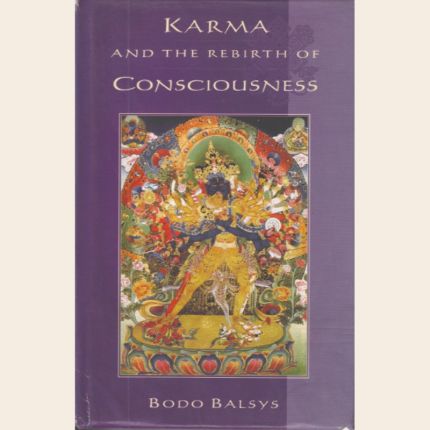
Karma and the Rebirth of Consciousness

गुह्यसमाजतन्त्रम तथागतगुह्यकम (हिन्दी अनुवाद सहित ), GuhyaSamajTantra or Tathagataguhyaka
तत्कालीन बौद्ध धर्मानुयायी मूल बौद्ध धर्म से संतुष्ट नहीं थे। वे बुद्धत्वप्राप्ति की एक ऐसी सरलतम चामत्कारिक निश्चित प्रक्रिया चाहते थे जिसके द्वारा इसी जीवन में या उससे भी पूर्व ही निर्वाण प्राप्त किया जा सके। गुह्यसमाज ग्रन्थ ने उनकी इस आकांक्षा को पूर्णतः संतुष्ट किया. इसी कारण यहाँ ग्रन्थ, अत्यधिक लोकप्रिय हुआ।

सुत्तपिटके खुद्दकनिकाये धम्मपदपालि (हिन्दी-संस्कृत अनुवाद सहित) , The Dhammapadapali with Hindi & Sanskrit Translation.

सुत्तपिटके खुद्दकनिकाये बुद्धवंसपालि (हिंदी अनुवादसहित ), The Buddhavansapali (Khuddakanikayapali) with Hindi Translation
स्वयं भगवान गौतम बुद्ध के मुखारविन्द से प्रथम बुद्ध से प्रारंभ कर अट्ठाइसवें बुद्ध तक के सभी २८ अवतारों का वर्णन पालि परम्परा के अनुसार से हुआ है। इसमें सभी बुद्धावतारों के परिचय के साथ उनका अवतारकाल, आयु ,जन्म ,जाति ,जन्म-स्थान ,माता, पिता, विवाह ,गृहाभिनिस्क्रमण, दुष्करचर्या, बोधिवृक्ष , बुद्वत्वप्राप्ति, धर्मचक्रप्रवर्तन, अग्रश्रावक,अग्रश्राविका,उपस्थापक, अग्रउपासक,अग्रउपासिका,अभिसमय,सन्तसमागम एवं उनका निर्वाणकाल भी वर्णित है।


सुत्त पिटक का मज्झिम निकाय ( बुद्ध वचनामृत – 1 )

Buddhism as / in Performance

Where the Buddha Walked A Companion to the Buddhist Places of India (PB)
Sons And Daughter of The Buddha
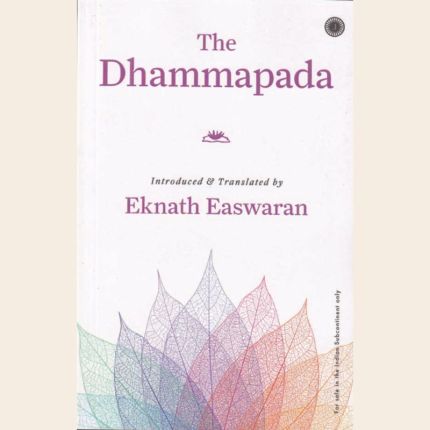
The Dhammapada
Dhammapada means''the path of dharma,''the path of truth, harmony, and righteousness that anyone can follow to reach the highest good. Easwaran's translation of this classic Buddhist text is based on the oldest, best-known version in Pali. Dhammapada gives an overview of the Buddha's teachings that is reliable, penetrating, and clear-accessible for readers new to Buddhism, but also with fresh insights and practical applications for readers familiar with this text.
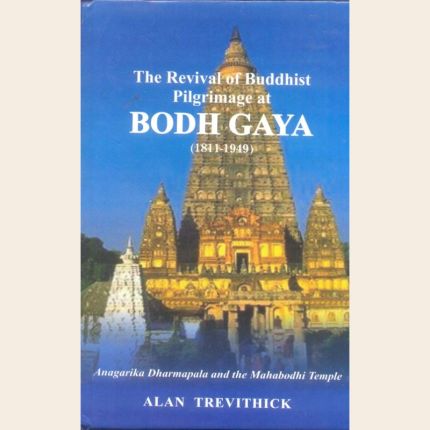
The Revival of Buddhist Pilgrimage at Bodh Gaya (1811-1949)
Alan Trevithick spent three years research primary documents in New Delhi, Sarnath, Colombo, and London, in order to present this history (1874-1949) of the Mahabodhi Temple at Bodh Gaya. This is the first such account, and it details for the first time the administrative, legal and legislative activities which shaped the temple's current status as one of the world's most popular pilgrimage sites. Also included is an innovative biographical essay on Anagarika Dharmapala, the Sinhalese activist who first came to India in the late 19th century as a guest of the Theosophical Society: his subsequent actions substantially affected the development of Bodh Gaya as a site of international importance.
