


History
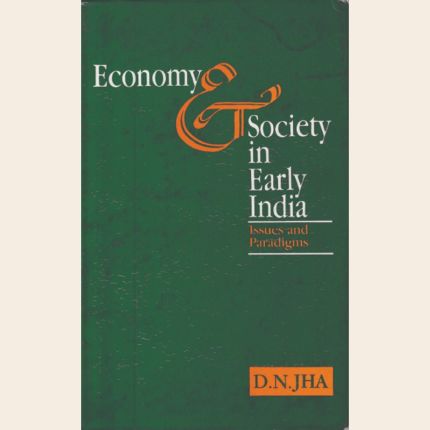
Economy & Society in Early India
This book is a refreshing study of some of the basic issues in the current historiographical debate on early Indian economy and society. It identifies major trends in the writings on early Indian economic history, and analyses the increasingly oppressive nature of ancient Indian land revenue system and the economic role of early medieval south Indian temples.
The Soul of India
Chandragupta Maurya
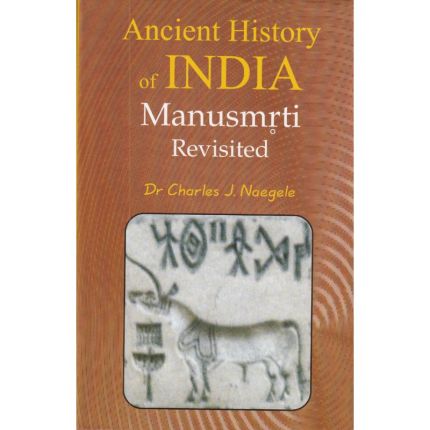
Ancient History of India

History of Anncient India
The object of this volume is to provide within a moderate compass a compendious account of the history, institutions, and culture of ancient India from the dim ages of antiquity to the establishment of Moslem rule. It has not been planned to meet the needs of any particular class of readers. Its primary purpose is to serve alike students, scholars, and all others, interested in the study of ancient Indian history, as a book of ready use and reference.
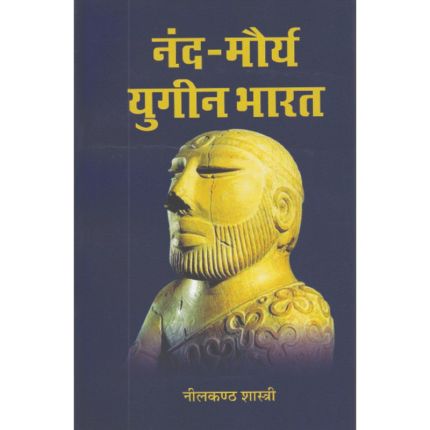
नंद -मौर्य युगीन भारत
प्रस्तुत पुस्तक अंग्रेजी भाषा में लिखित "ऐज ऑफ़ दि नन्दाज एंड मौर्याज " का हिंदी रूपांतरण है. मूल पुस्तक के संपादक प्रसिद्ध इतिहासवेत्ता आचार्य श्री नीलकंठ शास्त्री है जिन्होंने संपादन-कार्य के साथ-साथ इस ग्रन्थ के पांच अध्याय भी लिखे है. अन्य अध्यायों की रचना में सर्वश्री हेमचन्द्रराय चौधरी, जितेन्द्रनाथ बनर्जी, उपेन्द्रनाथ घोषाल, प्रबोधचंद्र बाग्ची , सुनिटिकुमार चटर्जी, वी राघवन, निहाररंजन रॉय इन आचार्यों के योगदान मिलता है.

Age of The Nandas & Mauryas
The age of the Nandas and Mauryas (c. 400-185 B.C.) witnessed great changes sweeping over the face of Western Asia, over lands with which India had much to do from the dawn of history, and account must be taken of their effects, direct and indirect, on the political, economic and artistic life of India. In this seminal period when Indo-Aryan civilization may be said to have attained its maturity, India did not hesitate to borrow political and economic plans and artistic motifs from abroad, and put them to the most appropriate uses in her own institutions and monuments.